


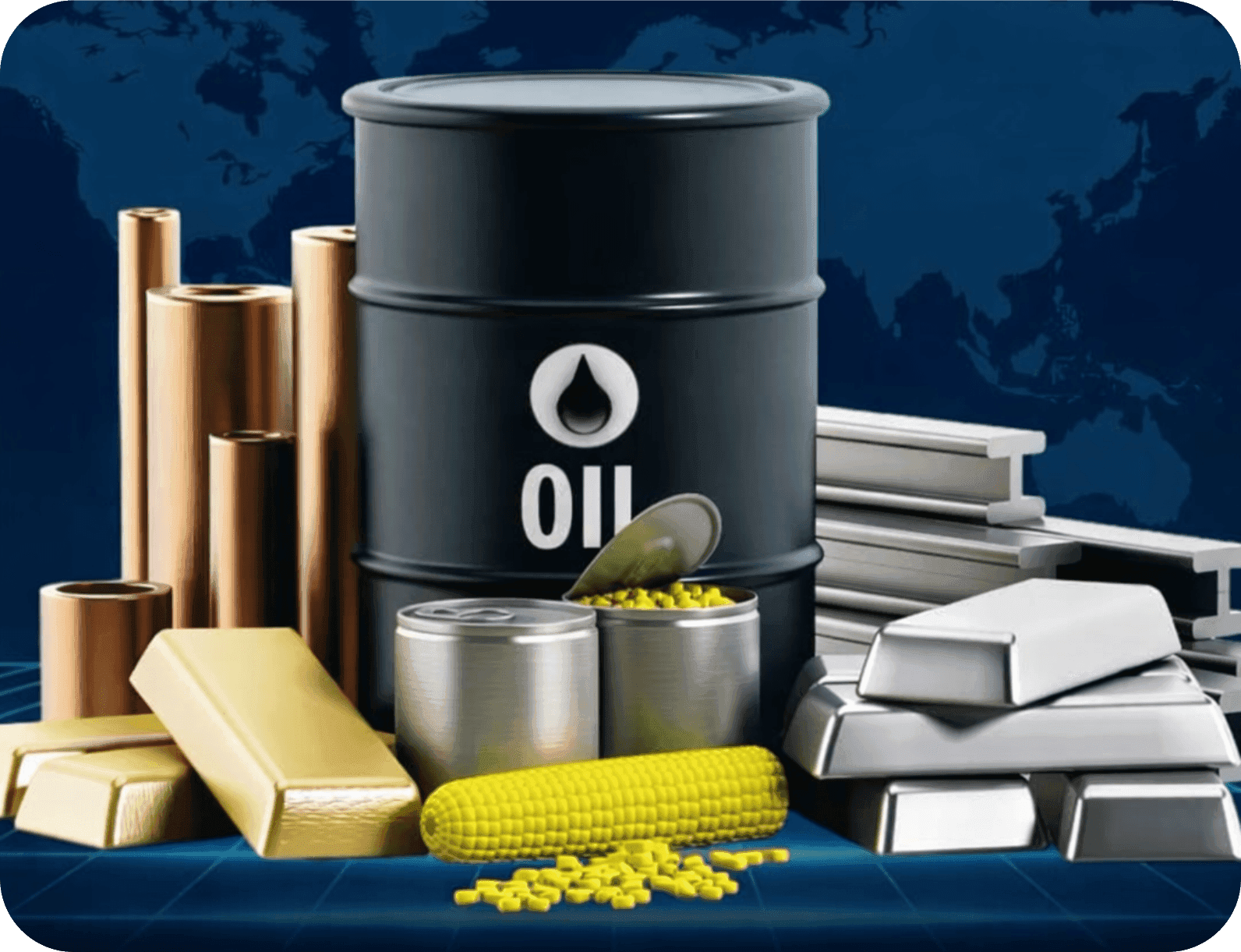
The commodities market in 2024 presents a complex landscape shaped by supply constraints, geopolitical tensions, and shifting demand patterns. Gold has maintained strength above $2,000 per ounce, while oil prices have been volatile, trading between $70 and $85 per barrel.
Market Drivers
Supply chain dynamics continue to influence commodity prices, with disruptions in key production regions affecting availability. Agricultural commodities have been particularly sensitive to weather patterns and geopolitical events affecting major producing countries.
Geopolitical events, particularly in the Middle East and Eastern Europe, have created supply concerns for energy commodities. These tensions have supported oil prices despite concerns about global demand growth.
Economic growth patterns, particularly in China and India, significantly impact commodity demand. Slower-than-expected growth in these key markets has weighed on industrial metals, while precious metals have benefited from safe-haven demand.
Trading Strategies
Diversification across commodity sectors can help manage risk, as different commodities respond to different drivers. Energy, metals, and agricultural commodities often have low correlations, providing portfolio benefits.
Risk management is crucial given the volatility inherent in commodity markets. Position sizing should account for the higher volatility compared to other asset classes, and stop losses should be placed beyond normal price fluctuations.
Market timing requires understanding seasonal patterns, particularly for agricultural commodities, and supply-demand fundamentals. Technical analysis can help identify entry and exit points, while fundamental analysis provides context for longer-term trends.