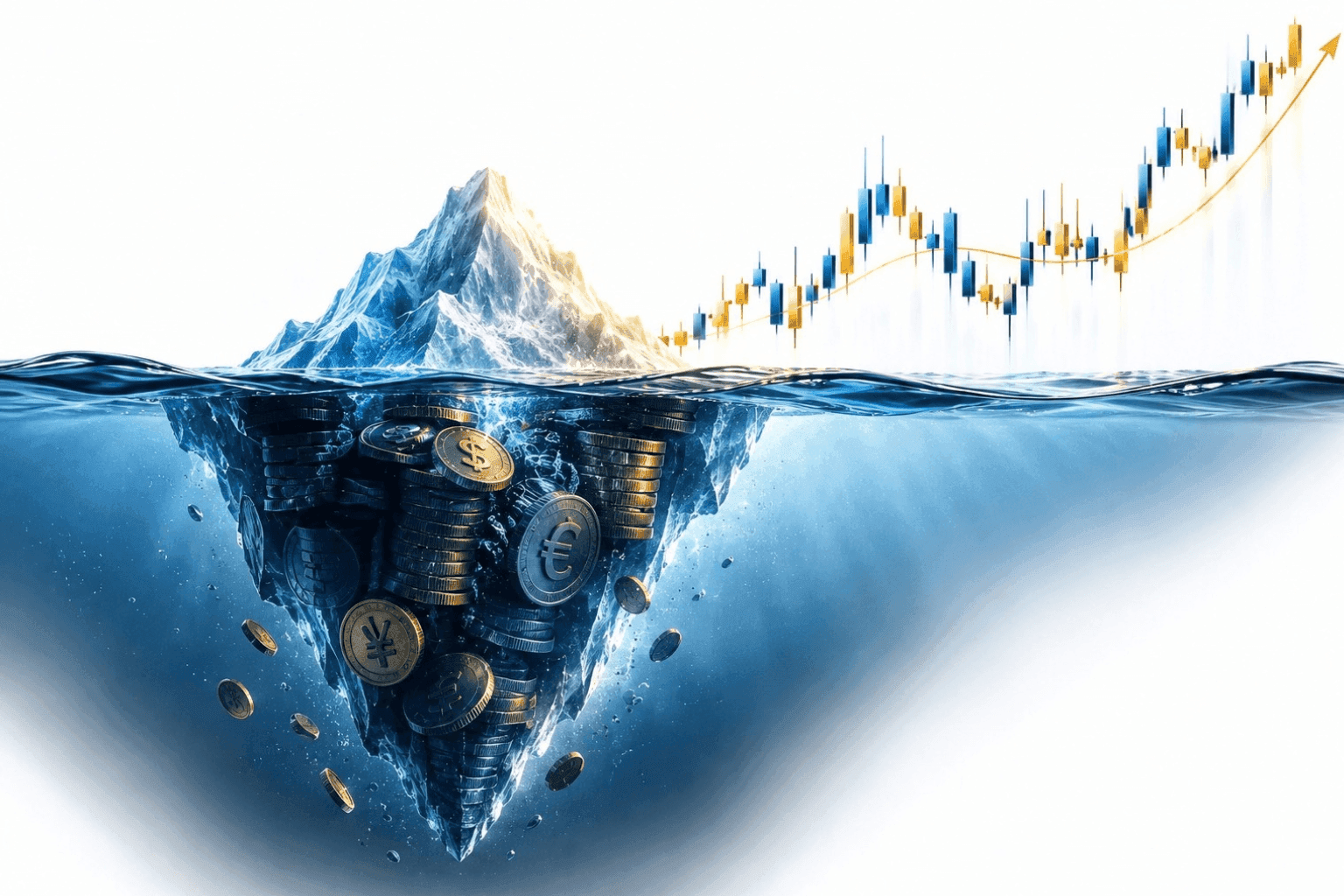


The foreign exchange market represents the largest and most liquid financial market globally, with daily trading volumes consistently exceeding $7.5 trillion. This massive scale and liquidity make FX markets essential for both institutional and retail investors seeking portfolio diversification and risk management.
The Global FX Market
The FX market operates 24 hours a day, five days a week, across major financial centers in London, New York, Tokyo, and Sydney. This continuous operation allows traders to respond immediately to economic news, geopolitical events, and market developments as they occur.
Unlike stock markets, which are centralized exchanges, the FX market operates as an over-the-counter (OTC) market, meaning trades occur directly between parties. This structure provides greater flexibility but also requires understanding counterparty risk and market depth.
Benefits of FX Trading
High liquidity is perhaps the most significant advantage, allowing traders to enter and exit positions with minimal slippage, even in large sizes. Major currency pairs like EUR/USD, GBP/USD, and USD/JPY typically have spreads as tight as 0.5 to 2 pips during active trading hours.
The 24-hour market access means traders can react to news and events in real-time, rather than waiting for market open. Leverage opportunities, while requiring careful risk management, allow traders to control larger positions with smaller capital outlays.
Strategic Importance
For portfolio managers, FX markets provide crucial diversification benefits. Currency movements often have low correlation with equity and bond markets, making them valuable for risk-adjusted returns. Understanding FX markets is essential for global investment strategies, as currency fluctuations can significantly impact returns on international investments.
Economic analysis through FX markets offers insights into relative economic strength, monetary policy expectations, and geopolitical stability. Central bank policies, inflation differentials, and trade balances all manifest in currency movements, making FX markets a barometer of global economic health.