


The world of financial markets can often feel like a maze of individual stocks and endless data points. Index trading offers a powerful alternative, allowing traders to engage with entire sectors or economies through a single instrument. By tracking the performance of a group of assets, indices provide a broader perspective on market health and trends. This guide explores the fundamentals of market indices, what they represent, and how you can effectively trade them to diversify your portfolio.
1. What are Market Indices?
A market index is a statistical measure that tracks the performance of a specific group of assets. Rather than focusing on a single company, an index aggregates the value of multiple stocks to provide a snapshot of a particular market sector or the economy as a whole. This acts as a benchmark, allowing traders and investors to gauge the overall sentiment and health of the financial markets. For example, if a major index is rising, it generally indicates that the collective companies within that group are performing well.
2. Major Market Indices
There are several key global indices that every trader should recognize, as they often set the tone for market movements worldwide. The S&P 500 tracks 500 of the largest publicly traded companies in the US, serving as a broad indicator of the American economy. The NASDAQ Composite is heavily weighted towards technology companies, making it a primary gauge for the tech sector. Meanwhile, the Dow Jones Industrial Average (DJIA) tracks 30 prominent blue-chip companies. Understanding these major players is crucial, as their movements often influence global trading sentiment.
3. What Indices Represent
Each index tells a unique story about a specific segment of the market. They are not random collections of stocks; they are carefully curated to represent a sector, a country's economy, or a specific market capitalization. For instance, the FTSE 100 represents the 100 largest companies on the London Stock Exchange, offering insight into the UK market. By analyzing what an index represents—whether it's tech-heavy, industrial-focused, or regionally specific—traders can align their strategies with broader economic trends rather than relying on the performance of a single stock.
4. How to Trade Indices
You cannot buy an index directly like a share of stock; instead, you trade financial instruments that derive their value from the index. Contracts for Difference (CFDs) are a popular method, allowing traders to speculate on price movements without owning the underlying asset. Exchange-Traded Funds (ETFs) are funds that track an index and can be bought and sold like stocks. Futures contracts are agreements to buy or sell the index at a predetermined price at a future date. Each method has its own mechanics, so choosing the right vehicle depends on your trading style and goals.
5. Benefits of Index Trading
Trading indices offers significant advantages, primarily through instant diversification. Because an index represents a basket of stocks, your exposure is spread across multiple companies, reducing the impact if a single company underperforms. This broad market exposure allows you to trade on macroeconomic trends—such as betting on the growth of the US tech sector—without having to analyze the financial statements of every individual tech firm. It simplifies the process of gaining exposure to large segments of the global economy.
6. Risks of Index Trading
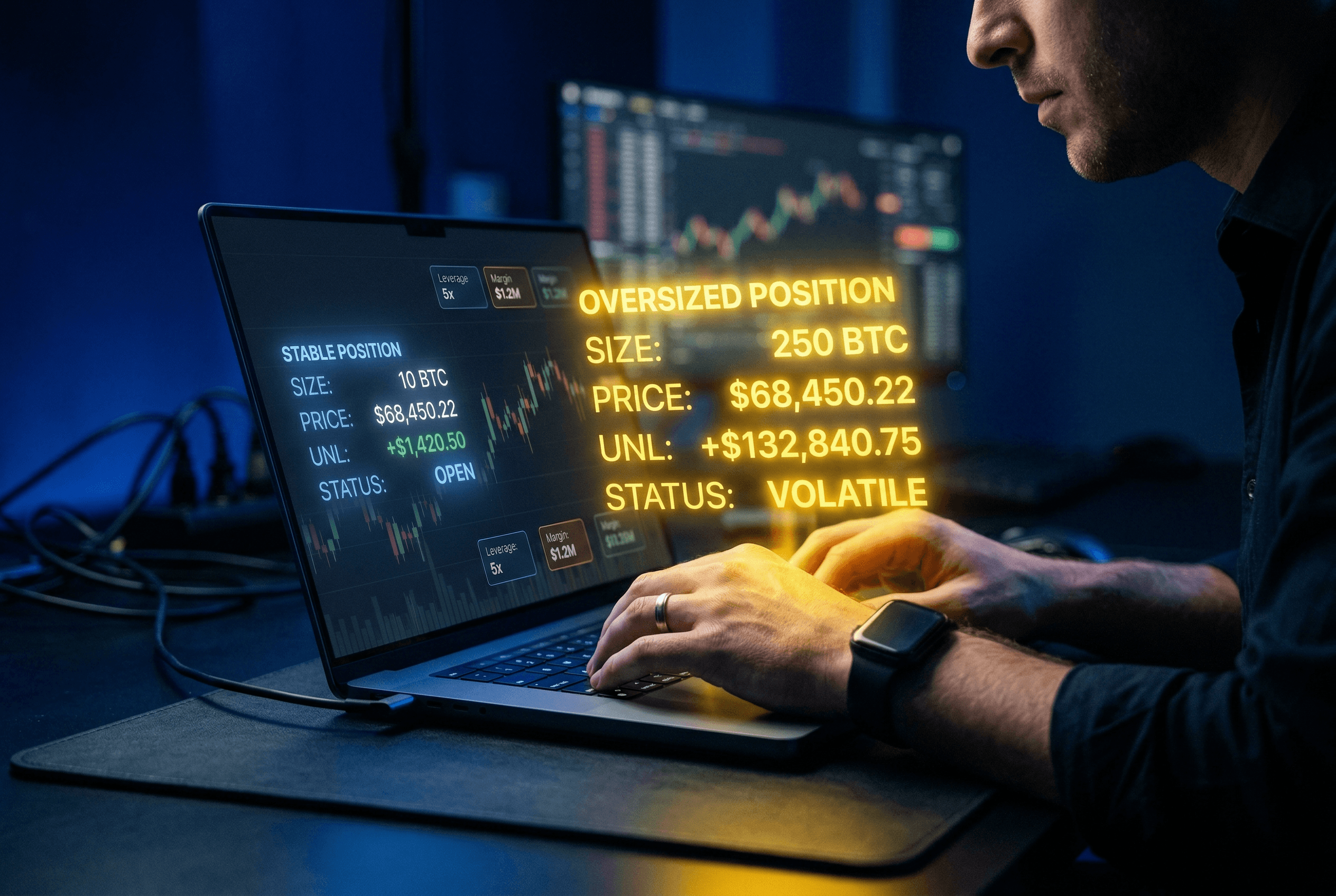
While diversification mitigates single-stock risk, index trading is not without challenges. Broad market volatility can affect all stocks within an index simultaneously during economic downturns or geopolitical crises. Furthermore, because indices are often traded using leverage, losses can be magnified just as profits can. Economic factors like interest rate changes or inflation reports can cause sharp, sudden movements in indices, requiring traders to stay vigilant and informed about global economic news.
7. Choosing a Broker
Selecting the right broker is a critical step in your trading journey. You should prioritise a regulated broker, such as one overseen by the FSC, to ensure the safety of your funds and fair trading practices. Look for competitive conditions, such as tight spreads (starting from 0.0 pips) and flexible leverage options (up to 1:500), which can significantly impact your trading costs and strategy execution. A reliable broker acts as your partner, providing the necessary infrastructure for seamless market access.
8. Trading Platform Features
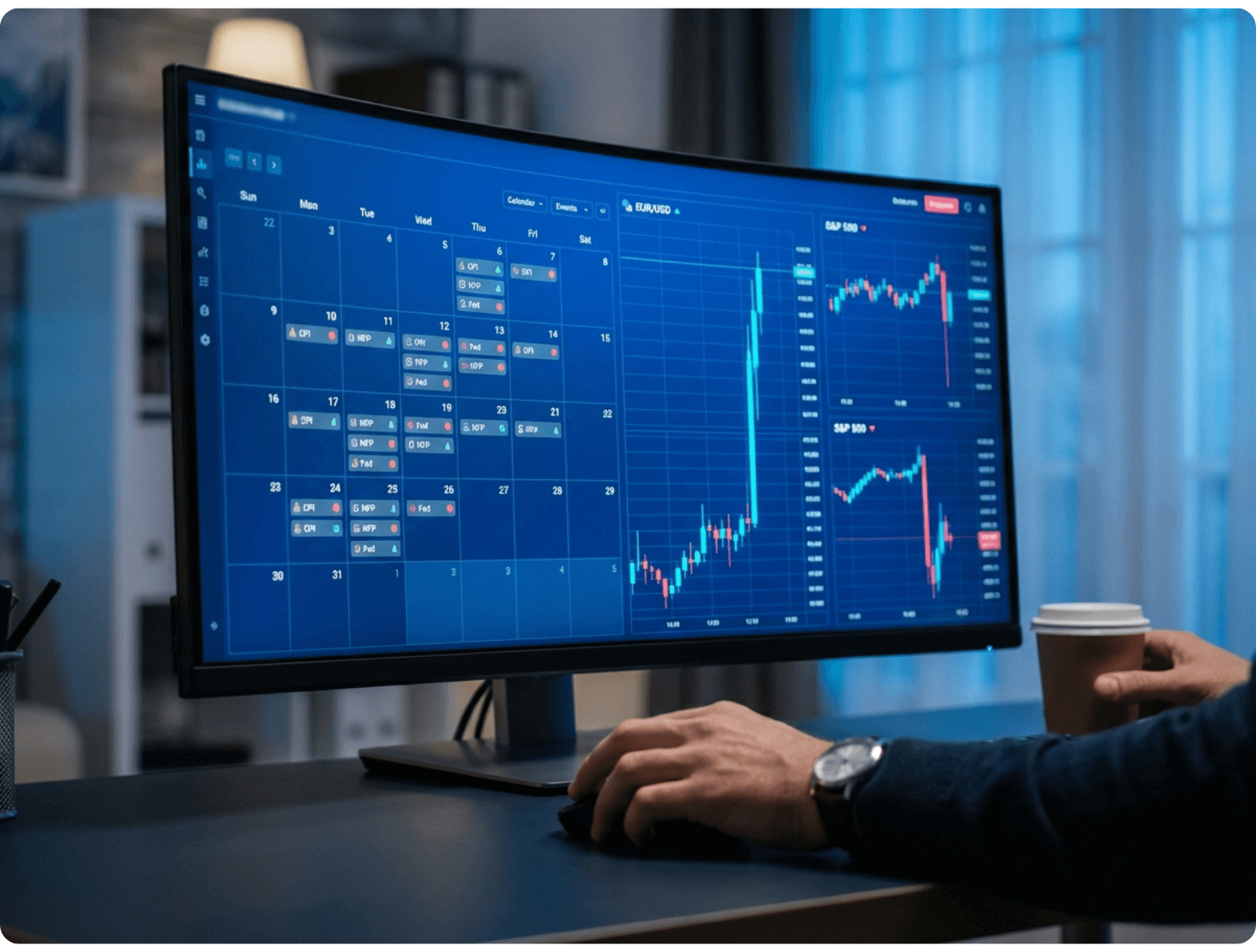
Your trading platform is your command centre, so it must be robust and user-friendly. Advanced platforms like MetaTrader 5 (MT5) offer sophisticated charting tools, technical indicators, and customizable dashboards that are essential for analyzing index performance. Access to real-time news feeds and economic calendars directly within the platform helps you make informed decisions based on the latest market data. Whether you trade on a desktop or mobile device, ensures your platform provides the speed and stability required for effective execution.
9. Risk Management Strategies
Effective risk management is the cornerstone of sustainable trading. When trading indices, it is vital to utilize stop-loss orders to automatically close positions if the market moves against you, limiting potential losses. Position sizing is equally important; never risk more capital on a single trade than you can afford to lose. By adhering to disciplined risk management rules, you protect your trading capital from significant drawdowns, allowing you to stay in the game for the long term.
10. Tax Implications
Trading indices can have different tax consequences depending on your jurisdiction and the specific instrument used. In some regions, profits from CFDs or spread betting may be treated differently than capital gains from ETFs. It is essential to understand the tax rules applicable to your country of residence to avoid unexpected liabilities. Consulting with a qualified tax professional can help you navigate these regulations and ensure you remain compliant while optimizing your trading returns.
Start Your Index Trading Journey Today
Mastering index trading opens the door to global market opportunities, allowing you to diversify your portfolio and capitalize on broad economic trends. Whether you are looking to trade the S&P 500 or emerging market indices, having the right partner is essential.
At My Maa Markets, we provide the tools and support you need to trade with confidence. Our FSC-regulated platform offers access to a wide range of global indices with institutional-grade execution and spreads from 0.0 pips.
Start Trading Indices with My Maa Markets
Disclaimer: Trading involves significant risk and may not be suitable for all investors. You should carefully consider your investment objectives, experience level, and risk appetite. Only invest money you can afford to lose.