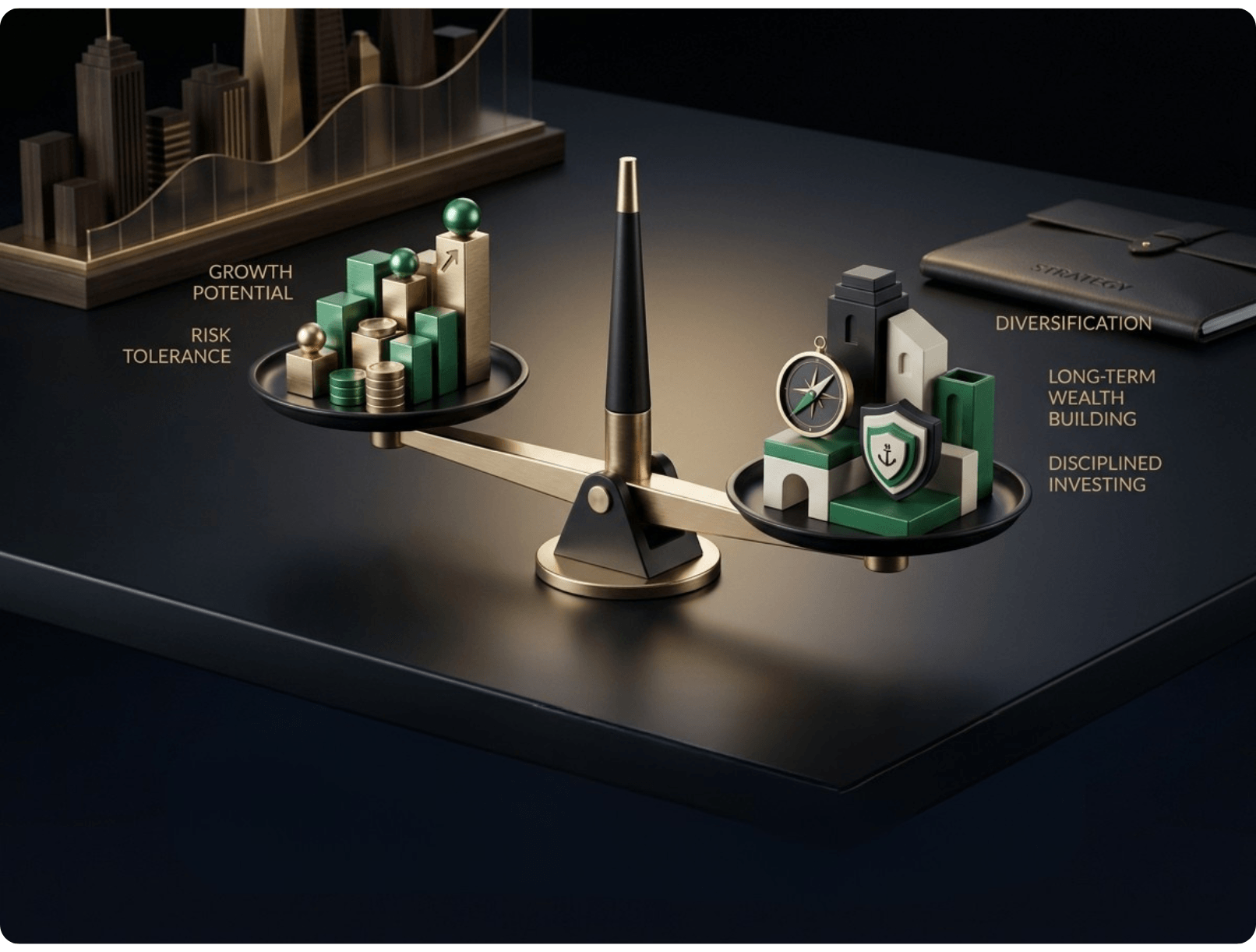



Same chart. Same candles. Same data feed. Two completely different markets, depending entirely on what you are trained to see.
Somewhere in Canary Wharf, a senior FX trader at a tier one bank opens her morning. She does not look at RSI. She does not draw Fibonacci retracements. She does not check whether the 50 day moving average has crossed the 200 day. What she looks at first is her bank's internal order flow data, a live picture of what their clients are buying and selling, aggregated across thousands of accounts. Before a single candle has printed on her chart, she already knows which direction the majority of informed institutional money is leaning for the session. The chart, when she does open it, is not a source of signals. It is a map for timing.
This is the gap that most retail traders never fully close, not because the information is inaccessible, but because the entire framework is different. Retail traders and institutional traders are not playing the same game with different tools. They are playing different games on the same board, and that distinction matters more than any indicator, strategy, or system.
Retail mindset
The chart is the market Price action, patterns, and indicators are the primary source of information. The goal is to predict the next move by reading what has already happened visually.
Institutional mindset
The chart records the market Order flow, positioning data, and macro context are the primary sources. The chart confirms what is already known. It is a ledger, not an oracle.
The first and most fundamental difference is how each type of trader thinks about price itself. A retail trader looks at a rising price and sees momentum, a signal to buy or confirmation that the trend is intact. An institutional trader looks at a rising price and asks a different question. Who is selling into this move, how much inventory are they distributing, and at what point does the buying pressure exhaust. Rising price, to an institution, is often the condition that makes selling attractive, not a reason to chase long.
Think of it through the lens of a supermarket. When milk goes on sale, shoppers buy more. When the price rises, they buy less. Institutions think about currency the way a rational buyer thinks about any commodity. Cheap is interesting. Expensive is where you sell. Retail traders, conditioned by momentum strategies and trend-following systems, often do the opposite. They buy because price is rising and sell because it is falling. They are paying premium and selling discount, repeatedly, because the chart pattern told them to.
The second difference is timeframe orientation. Institutional traders are structurally incapable of trading short timeframes at scale. A hedge fund managing billions in currency exposure cannot operate on a five minute chart without moving the market against itself. Their positions are built and unwound over hours, sometimes days, often weeks. They operate on daily, weekly, and monthly structures. This means that what a retail trader sees as a clear trend on a lower timeframe is often noise inside a larger institutional move that has not even fully developed yet.
What institutional traders actually focus on
The inputs that drive real decisions
- Order flow and positioning data
Who is net long, who is net short, and how crowded the trade has become. A crowded trade in one direction becomes opportunity in the other, because unwinding that position creates predictable movement.
- Central bank policy divergence
Not just where rates are today, but where they are expected to be in the coming months. This forward expectation drives the most sustained currency trends.
- Higher timeframe structure
Weekly and monthly levels, historical liquidity zones, and price areas that have held or broken over years, not days.
- Sentiment extremes
When retail positioning, options markets, and futures data all lean one way, institutions begin looking the other way. Extremes do not continue forever. They reverse.
News as context
Major data releases are not triggers. They are confirmation or invalidation of positions that were built earlier based on a macro thesis.
The third difference, and the hardest to internalise, is the relationship with being wrong. A retail trader sees a 30 pip move against their position and assumes failure. An institutional trader running a position based on a multi week thesis sees that same move as noise. The position remains until the underlying idea is proven wrong, not until price becomes uncomfortable.
"Retail traders manage trades. Institutional traders manage theses. The difference is knowing exactly what would prove you wrong before the trade begins."
None of this means retail traders are locked out. The framework is learnable. But the shift is not about finding better indicators or refining entries. It begins with replacing a question. The retail question is: What is price going to do next The institutional question is: Where is the weight of money positioned, where does it need to go to exit, and what does price have to do to get it there
Reframe 1 What does this pattern signal Where is the liquidity this move is targeting
Reframe 2 Is the trend still intact Is the macro thesis that drives this trend still valid
Reframe 3 Where should I place my stop
What price action would genuinely invalidate my reason for being in the trade
The chart does not change when you ask different questions. But what you see on it changes completely. That shift is not about better tools or faster execution. It is about perspective. And in a market where everyone is looking at the same chart, perspective is the only real edge.