

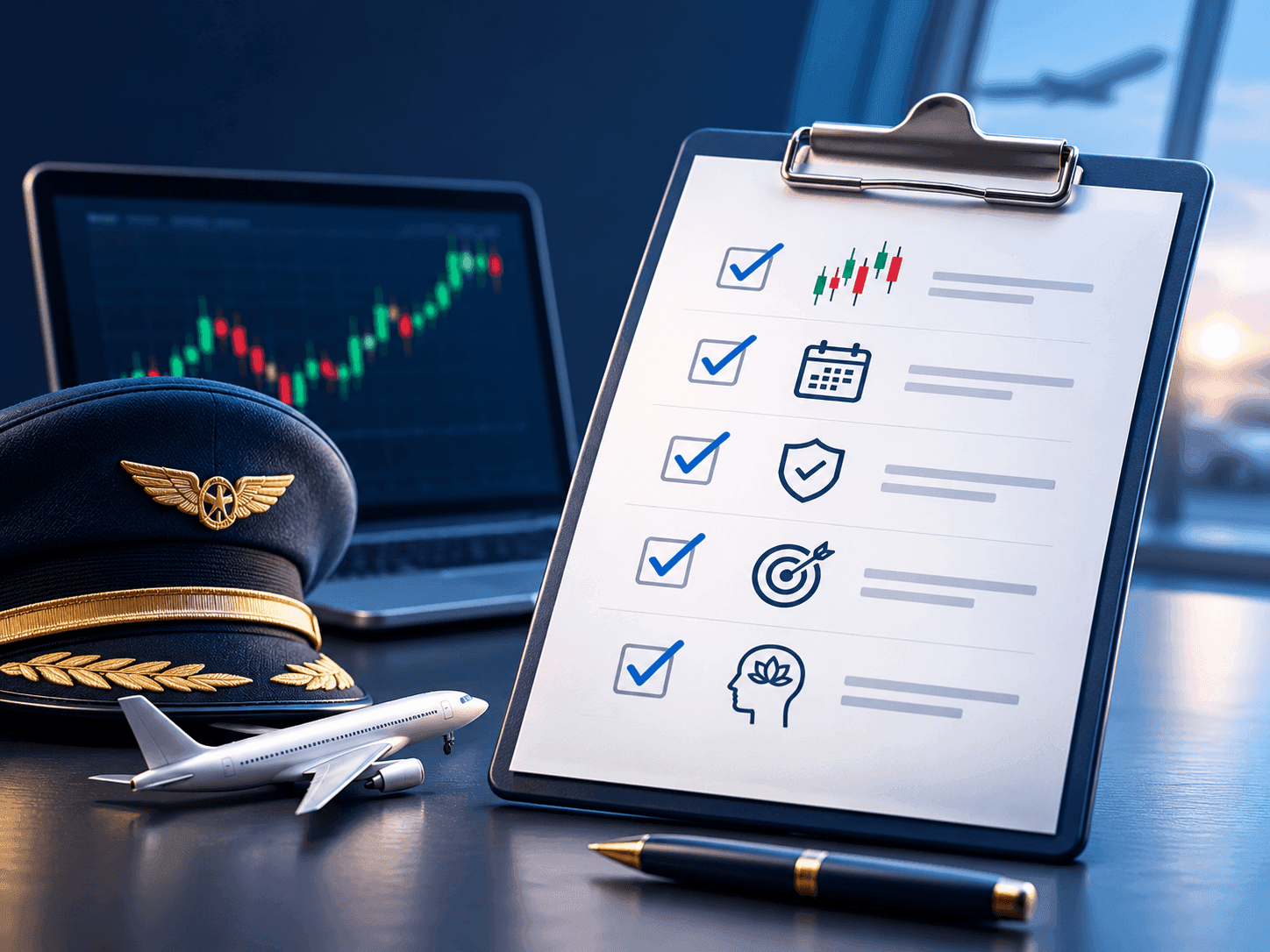
In aviation, a pilot never takes off without completing a pre-flight checklist. It doesn't matter if they have flown for 30 years or 30 days—the checklist is non-negotiable. Why? Because human memory is fallible, and under pressure, we make mistakes.
Trading is no different.
The financial markets are high-pressure environments where decisions must be made in split seconds. Without a structured process, even the most experienced traders can fall victim to impulsive decisions, emotional bias, and "revenge trading."
At My Maa Markets, we believe that discipline is the bridge between goals and accomplishments. One of the most effective tools for building that discipline is the humble checklist.
Why Impulsivity is the Trader’s Enemy
Impulsive trading is the act of entering or exiting a position based on emotion rather than analysis. It often stems from a fear of missing out (FOMO) or a desire to recover losses quickly.
-
The Cost of Emotion: Impulsive trades rarely adhere to risk management rules, leading to disproportionate losses.
-
The Psychological Toll: A loss from an impulsive trade hurts more because you know you didn't follow your system. This erodes confidence.
-
The Domino Effect: One bad impulsive trade often leads to another, creating a spiral of poor decision-making.
The Checklist: Your Circuit Breaker
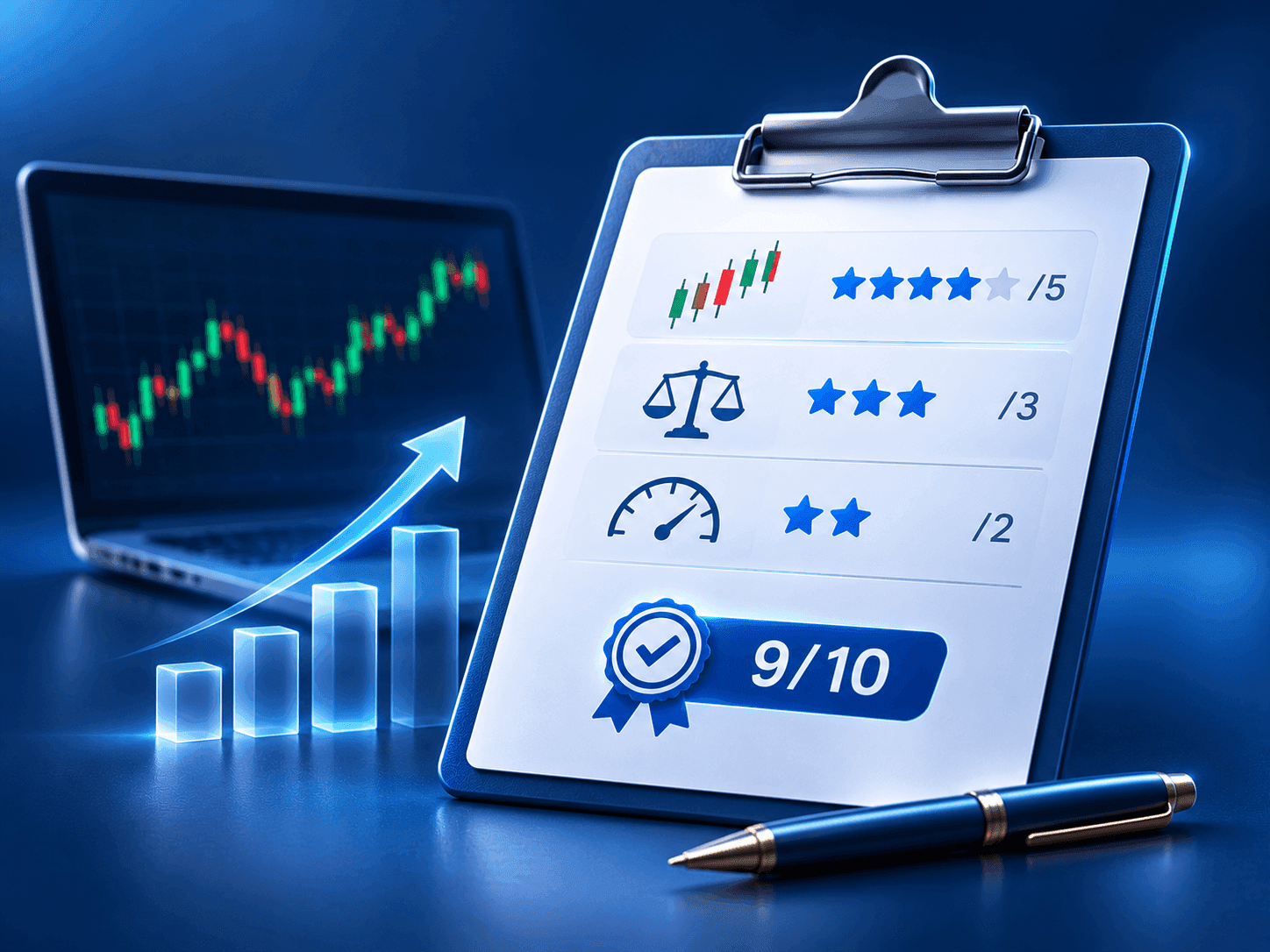
A trading checklist acts as a circuit breaker for your brain. It forces you to slow down and validate your trade setup against your strategy before you risk capital. It changes the internal dialogue from "I think this is going up" to "Does this meet my criteria?"
Here is why checklists are essential for longevity in the markets:
- Enforced Consistency
A strategy is only as good as your ability to execute it. A checklist ensures you are looking at the same indicators, the same timeframes, and the same risk parameters every single time.
- Objective Risk Management
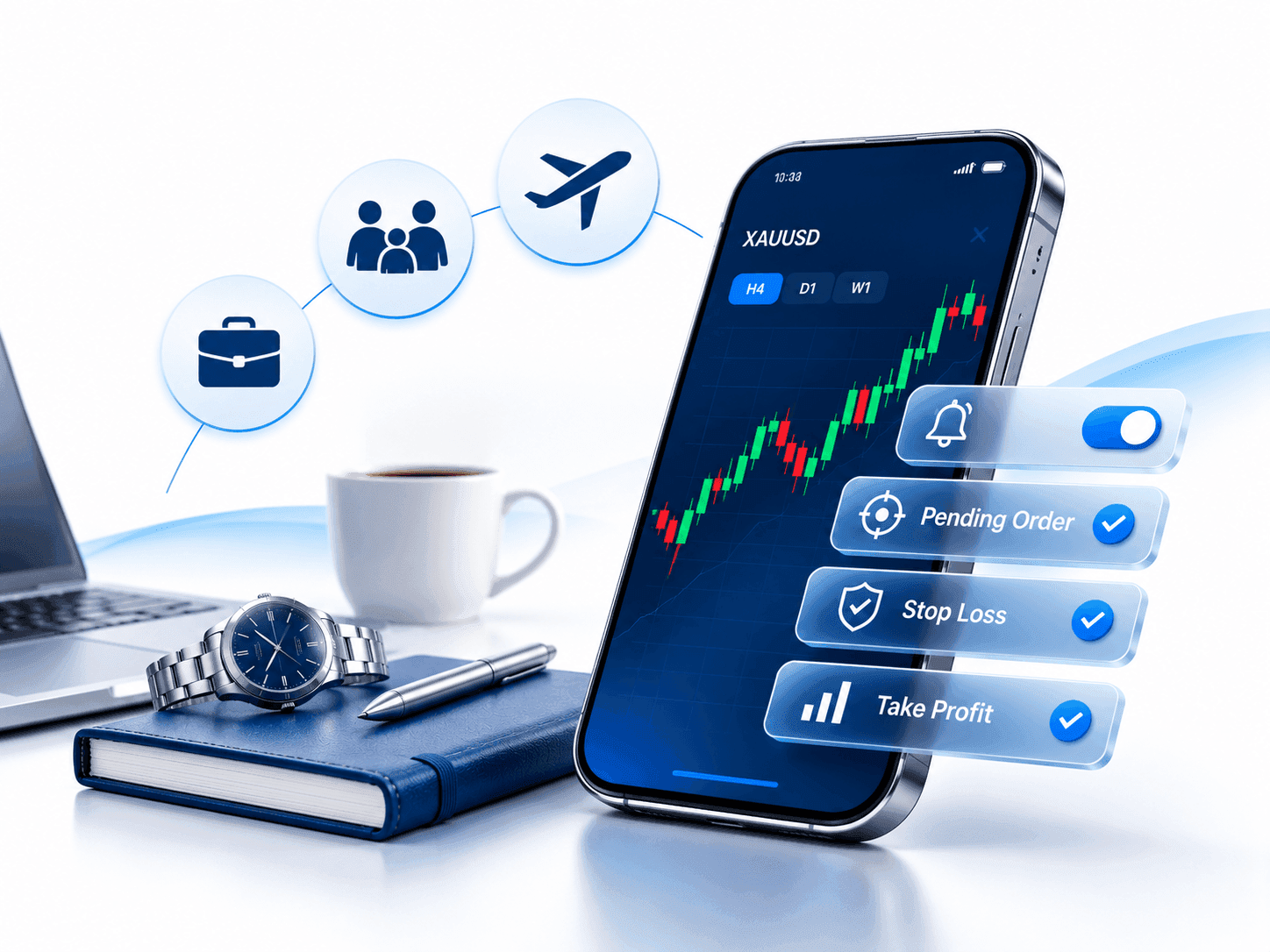
Impulsive trades often ignore stop-losses. A checklist forces you to calculate your position size and risk-to-reward ratio before you click buy. If the numbers don't make sense, the trade doesn't happen.
- Reduced Cognitive Load
Trading requires intense focus. By externalizing your process onto a checklist, you free up mental energy to analyze market nuance rather than trying to remember every rule in your head.
Building Your Pre-Trade Checklist
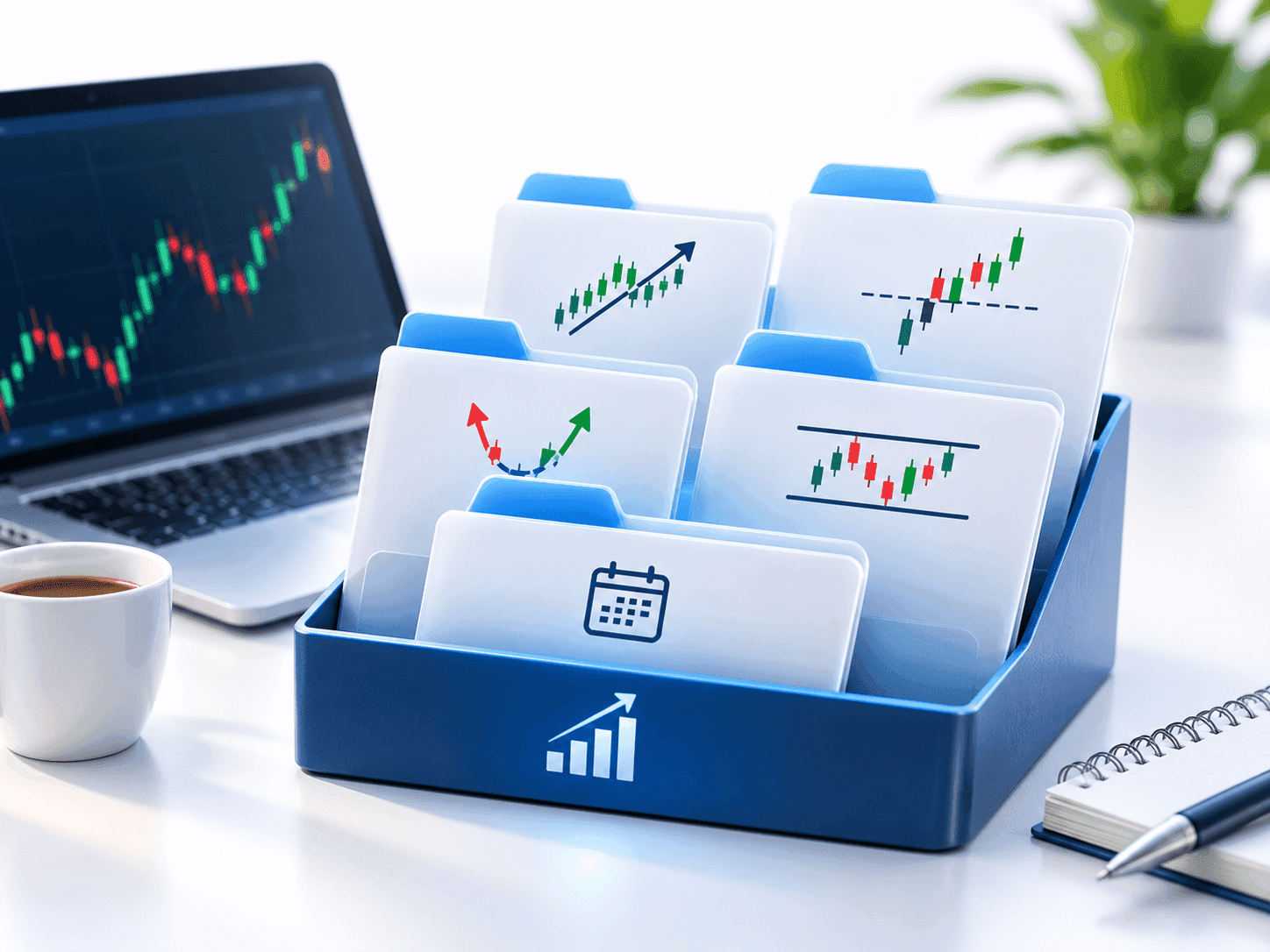
Every trader’s checklist will be different based on their strategy, but here are the core components that should be included:
-
The Setup: Does the chart pattern/indicator alignment match my strategy perfectly?
-
The Context: Is there major economic news (like NFP or FOMC) coming up that could invalidate this trade?
-
The Risk: Where is my stop loss? Is it technically placed?
-
The Reward: Is the potential profit at least 2x my risk?
-
The Mindset: Am I calm and focused? Am I trading out of boredom or revenge?
Tools to Support Your Discipline
At My Maa Markets, we provide the infrastructure to support your disciplined trading:
-
Advanced Platforms: Our MetaTrader 5 (MT5) platform allows you to utilize custom indicators and automated tools to validate your checklist.
-
Economic Calendars: Stay ahead of market-moving events directly within our ecosystem.
-
Risk Management Tools: Utilize our position size calculators to ensure every trade fits your risk profile.
Final Thoughts
You cannot control the market, but you can control your entry. A checklist is the ultimate form of quality control for your trading business. It separates the professionals from the gamblers.
Do you use a physical or digital checklist before you trade? Or do you rely on mental cues? Let us know in the comments below.
Ready to upgrade your trading discipline?
Access over 3,000 instruments with spreads from 0.0 pips on a fully regulated platform.
Open a Live Account with My Maa Markets Today
Disclaimer: Trading involves significant risk and may not be suitable for all investors. You should carefully consider your investment objectives, experience level, and risk appetite. Only invest money you can afford to lose.