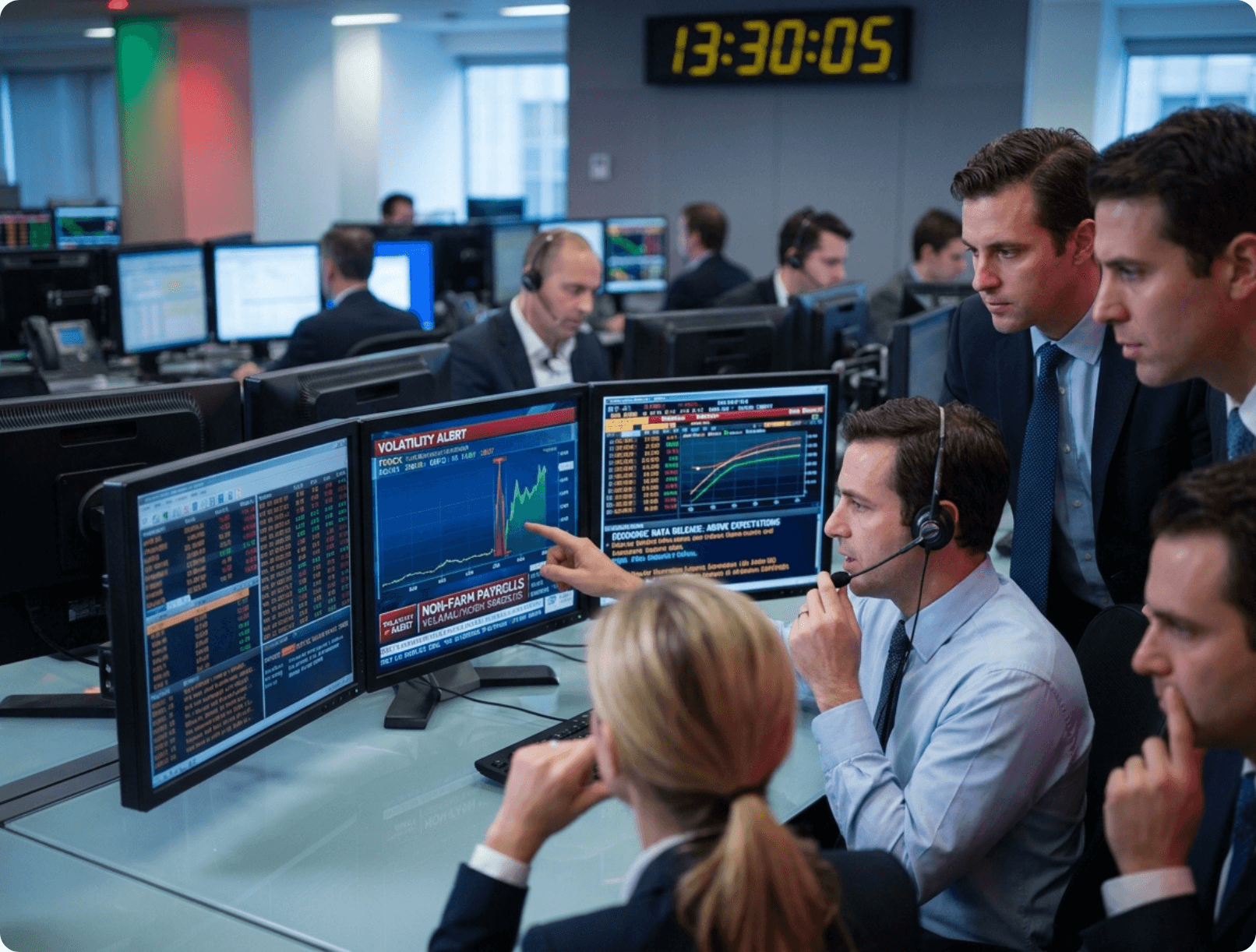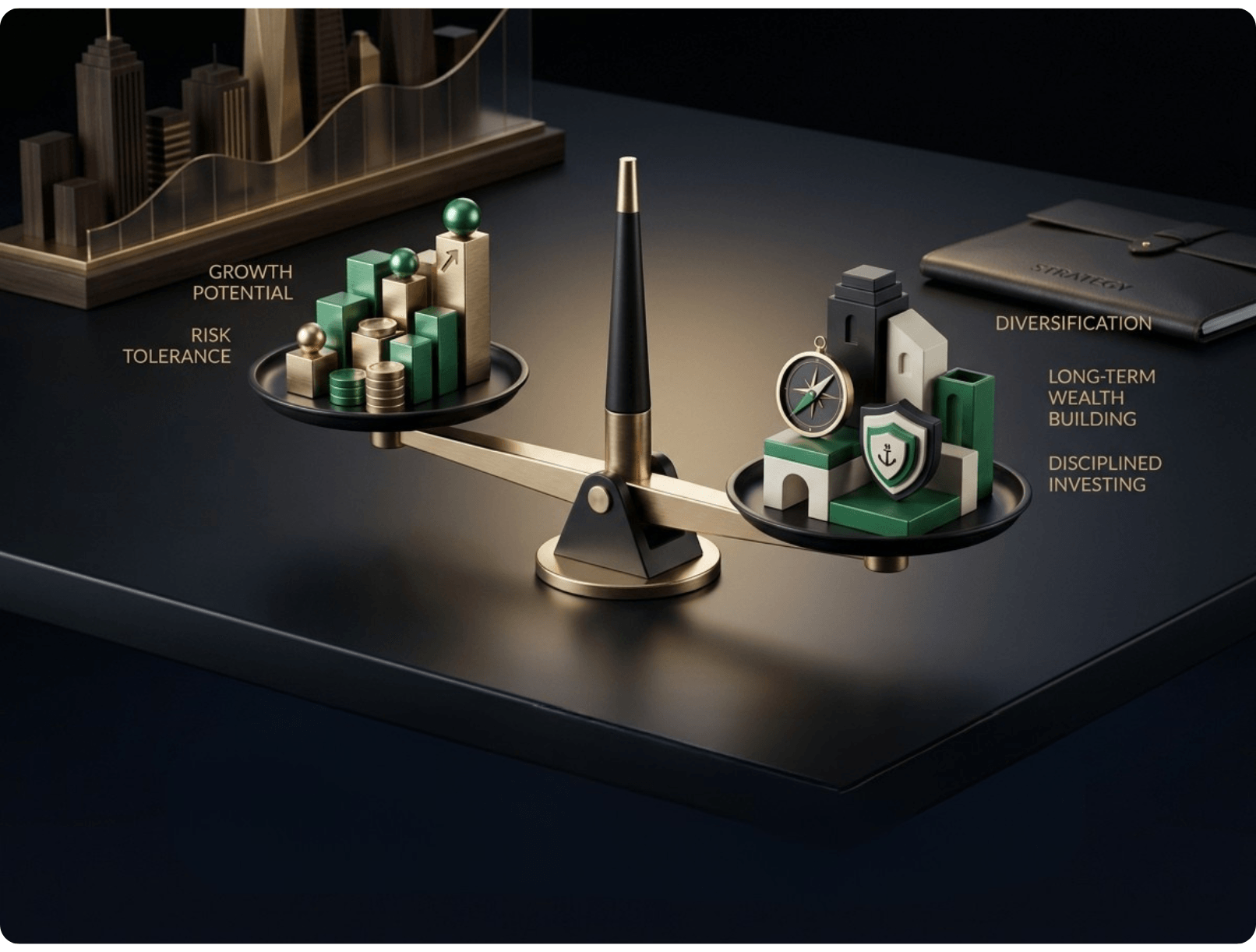


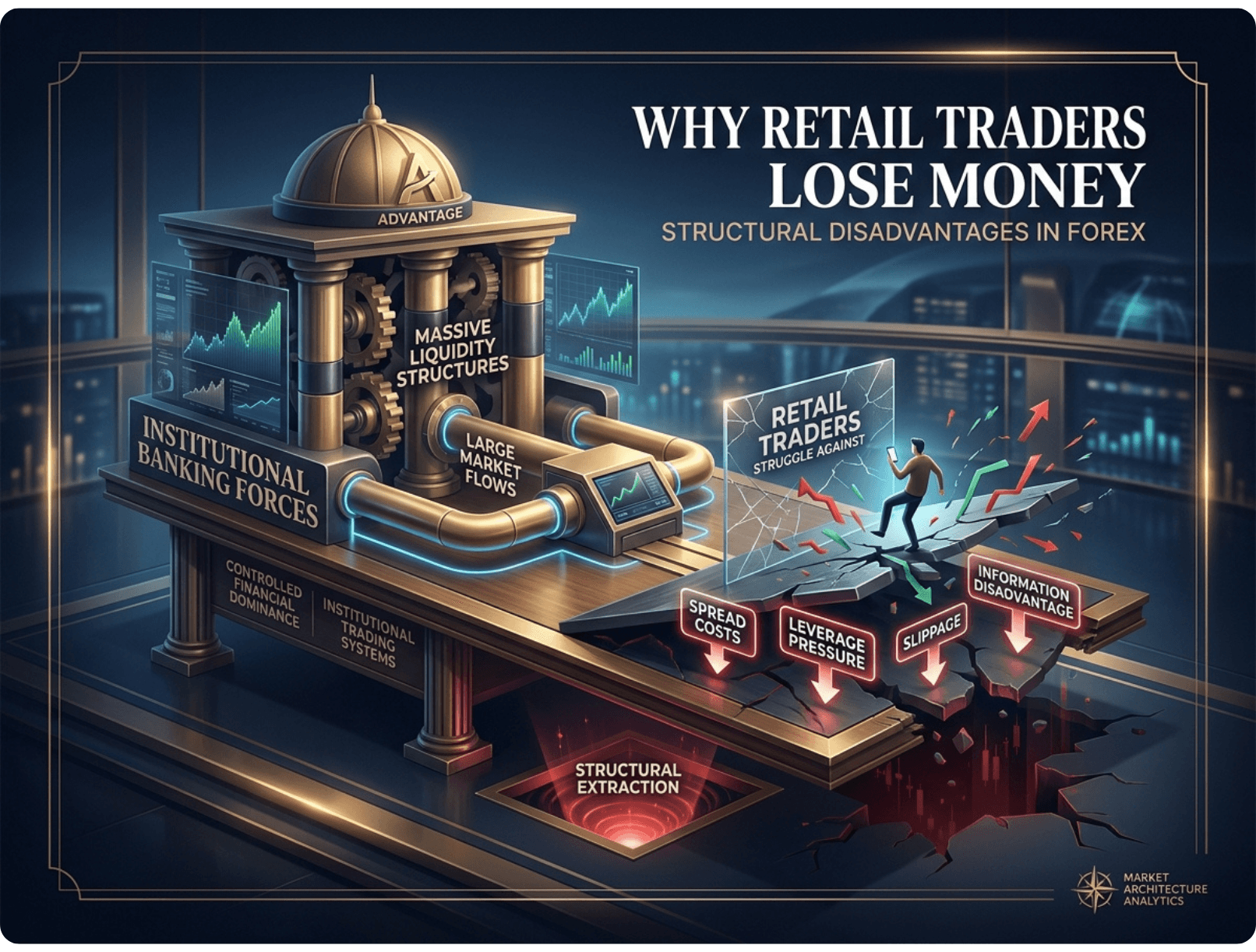
Before the first trade is placed, before the first candle is read, the game is already tilted. This is what that tilt actually looks like and why blaming your strategy misses the point entirely.
70–80% of retail forex traders lose money, a figure that has remained consistent across brokers, regions, and decades. It is not a bad streak. It is a structural outcome.
Nobody opens a trading account expecting to become part of that statistic. They come with a system, a strategy, sometimes months of backtesting behind them and still, most of them lose. The standard explanation is psychology: greed, fear, lack of discipline. That is not wrong, but it is dangerously incomplete. Before psychology enters the picture, there are structural forces already working against every retail participant that have nothing to do with mindset and everything to do with how the market was built, who it was built for, and what it extracts from everyone inside it who is not a bank.
These are not theories. They are the architecture of the game itself.
1. The spread: a tax on every single trade, before you even begin
The moment a retail trader enters any position, they are already losing. The spread, the gap between the buy price and the sell price, is the broker's extraction. On EUR/USD it might be 1 pip. On an exotic pair, 30 or 40. It sounds small. Compounded across dozens of trades per month, it becomes significant.
EUR/USD spread 1–2 pips ~$10–20 per standard lot, extracted before any profit is possible
Exotic pair spread 30–50 pips $300–500 per lot, the cost of a losing trade before price moves a tick
50 trades/month $500–1000
In spread costs alone, on a single standard lot, purely structural extraction
A retail trader pays the spread every time. A tier-one bank making markets in the interbank network collects it. The spread is not a fee for a service. It is a permanent structural tax on retail participation, built into the architecture of every trade.
2. Information asymmetry: trading blind against people who can see
A tier-one bank's FX desk has access to its own proprietary order flow, aggregated data showing what thousands of clients are buying and selling in real time. This is directional information about where money is moving before that movement shows up on a public chart. A retail trader has a chart. The bank has the chart plus a map of what is about to happen to it.
Institutional desks see client order books. They know where large stop clusters sit before price reaches them. Central bank relationships give certain institutions advance context on policy sentiment that never reaches public channels before a decision.
Proprietary positioning data from prime brokers gives hedge funds a real-time picture of how the market is leaning, information entirely absent from the retail experience.
This is not insider trading in the legal sense. It is the natural consequence of operating at different levels of the market's information hierarchy. The retail trader is not just playing with a smaller bankroll. They are playing with a smaller picture of reality.
Two card players sit at the same table. One can see his own hand. The other can see his own hand, the discard pile, a rough sense of what the opponent has already folded, and a statistical model of what cards are likely left in the deck. Same game. Same rules. Radically different conditions. The retail forex trader is the first player, and they are usually not aware there is a second type of player at the table.
3. Leverage: the feature sold as an advantage that functions as a trap
Retail brokers offer leverage as a selling point. 1:100. 1:500. The ability to control $100,000 with $1,000 sounds like power. In practice, for the majority of retail traders, it is an accelerant. It amplifies losses just as efficiently as it amplifies gains, and human psychology makes the two outcomes deeply asymmetric.
High leverage compresses the distance between entry and account destruction. A 1% adverse move on 1:100 leverage wipes the entire margin. On a pair like EUR/USD, that is 100 pips, which can happen in a single London session morning.
The same leverage that lets a trader hold larger positions also makes holding through normal drawdown psychologically unbearable, leading to premature exits on trades that were directionally correct.
Brokers profit whether clients win or lose on many models, and high leverage increases the frequency of account blowups, generating new account openings. The incentive to offer enormous leverage is structural, not accidental. "Leverage does not give retail traders institutional power. It gives them institutional-sized risk with retail-sized information, retail-sized execution, and retail-sized psychology. That combination is not power. It is exposure."
4. Execution quality: the gap between the price you see and the price you get
Institutional traders execute directly into deep interbank liquidity at prices a fraction of a pip from the true market rate. Retail traders execute through brokers who may re-quote, widen spreads during volatility, or fill orders at prices different from what was clicked, a phenomenon called slippage. During major news events, this execution gap can cost more than the spread itself.
Slippage on stop-loss orders during high-impact news can trigger exits 5–20 pips beyond the intended level, turning a controlled loss into a larger one.
Some broker models operate as market makers, meaning they are the direct counterparty to retail trades. When a retail trader loses, the broker profits directly. The conflict of interest is structural and legal, and it is disclosed in documents most clients never read.
Latency between a retail platform and actual market pricing means that in fast-moving conditions, the price shown on screen is already historical by the time the order reaches execution.
It is written because the usual conversation around retail losses stops at "traders need better discipline," which is both true and insufficient. Discipline is necessary. It is not sufficient to overcome a structural architecture that extracts from retail participants at every layer: entry, information, leverage, and execution.
What changes when you see the structure clearly
The adjustments that actually address structural disadvantage, not just psychology
Trade fewer times. Every trade pays the spread tax. A retail trader who makes ten high-conviction trades a month pays the structural toll ten times. One who makes sixty pays it sixty times, regardless of strategy quality.
Use leverage as a last resort, not a default. The minimum leverage required to achieve a target return, not the maximum available, is the correct frame. Institutions use far less leverage than they are offered because they understand what it actually does.
Choose brokers carefully and understand their model. An ECN broker routing orders directly to interbank liquidity has different incentives from a market maker. The distinction matters more than the platform's visual design or deposit bonus.
Align with institutional timeframes, not against them. Trading the same direction as large institutional flows, identified through higher-timeframe structure and macro context, reduces the frequency of being on the wrong side of an order that is simply larger than anything retail can resist.
The 70–80% loss rate is not a mystery.
It is the predictable output of a system in which retail participants carry the costs and the risks that the market's design assigns to its smallest players. Understanding that is not defeat. It is the only honest starting point for building something that survives inside it.