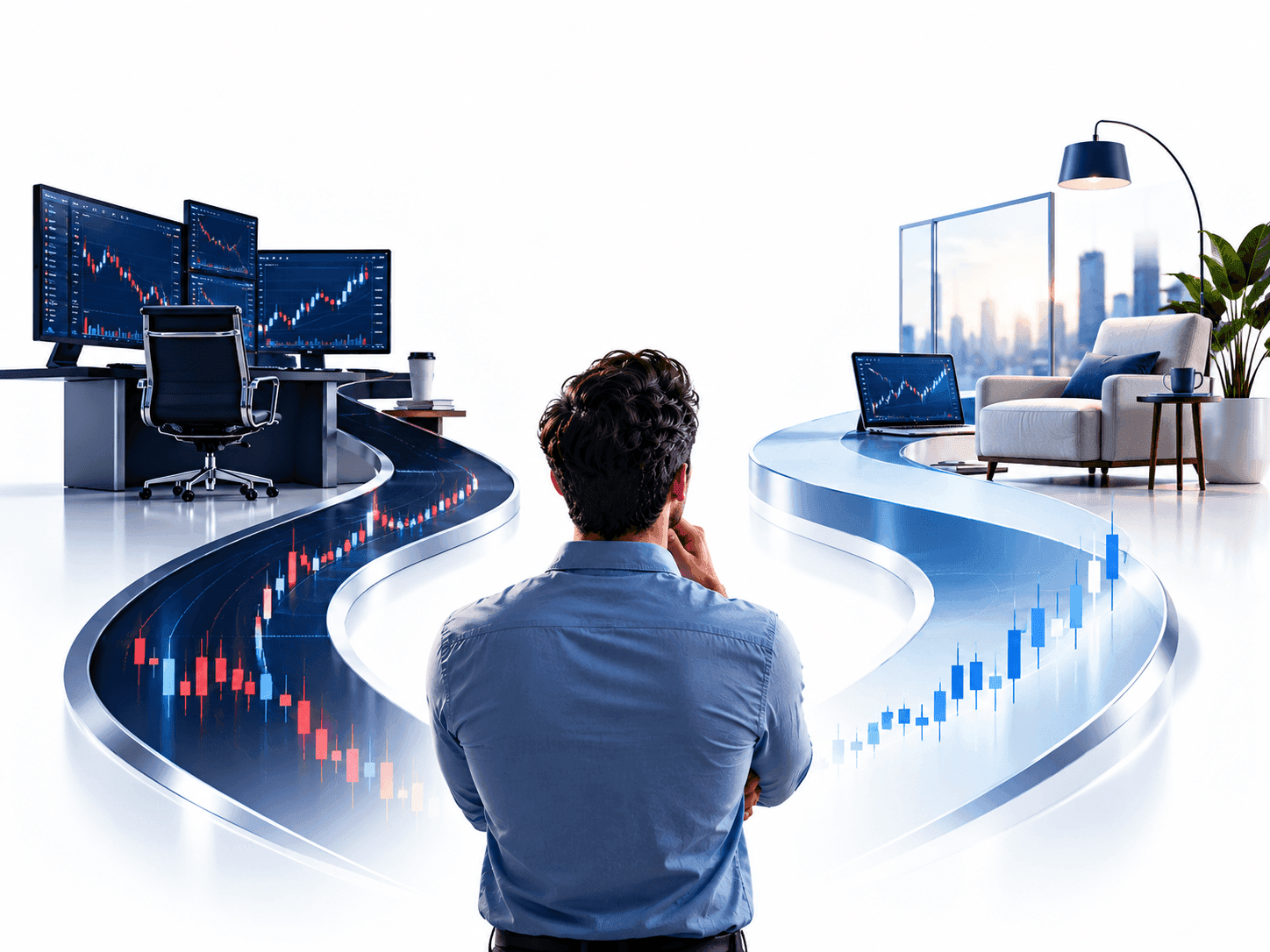



When a major economic report drops or a geopolitical crisis flashes across your screen, what is your first instinct?
For many traders, the immediate reaction is visceral. The heart rate spikes, the palms sweat, and the urge to "do something"—anything—becomes overwhelming. This is where fortunes are often made, but more frequently, it is where carefully planned strategies unravel.
At My Maa Markets, we see this phenomenon play out daily. The market moves, but it is the trader’s psychology that dictates the outcome. Understanding how headlines impact your cognitive bias is not just an academic exercise; it is a survival skill for anyone navigating the volatility of global markets.
The "Breaking News" Effect on Decision Making
In the age of 24/7 information, traders are bombarded with data. However, not all data is created equal. Major headlines—whether it’s a surprise change in Non-Farm Payrolls (NFP) or an unexpected rate hike—trigger specific psychological responses:
- Recency Bias
When a headline hits, our brains tend to overweigh the most recent information while ignoring historical context. You might see a sudden drop in EURUSD and assume the trend will continue indefinitely, ignoring long-term support levels.
- FOMO (Fear of Missing Out)
High-impact news creates rapid price velocity. Seeing a green candle shoot up on a Gold (XAUUSD) chart triggers a fear that you are missing the "easy money." This leads to chasing trades at the top of a move, often just before a correction.
- Panic Selling (or Buying)
Unexpected negative news triggers the amygdala—the part of the brain responsible for the "fight or flight" response. Rational analysis shuts down, and traders liquidate positions without checking their original thesis or risk management rules.
Data & Trends: The Cost of Emotional Trading
Industry trends suggest that a significant portion of retail trading losses occur during high-volatility events. Why? Because execution quality matters, but emotional discipline matters more.
-
Volatility Spikes: During major news events, spreads can widen. Without a cool head, traders may enter market orders that get filled at unfavorable prices.
-
Over-Leveraging: The temptation to "make back losses" on a high-conviction headline often leads to excessive leverage, exposing the account to margin calls.
How to Trade the Headlines Without losing Your Head
Professional traders don't ignore the news, but they don't let it dictate their emotions. Here is how you can structure your approach to news events:
-
Plan the Trade, Trade the Plan: Before the market opens, identify the key news releases for the day (use an economic calendar). Decide beforehand if you will trade through the event or step aside.
-
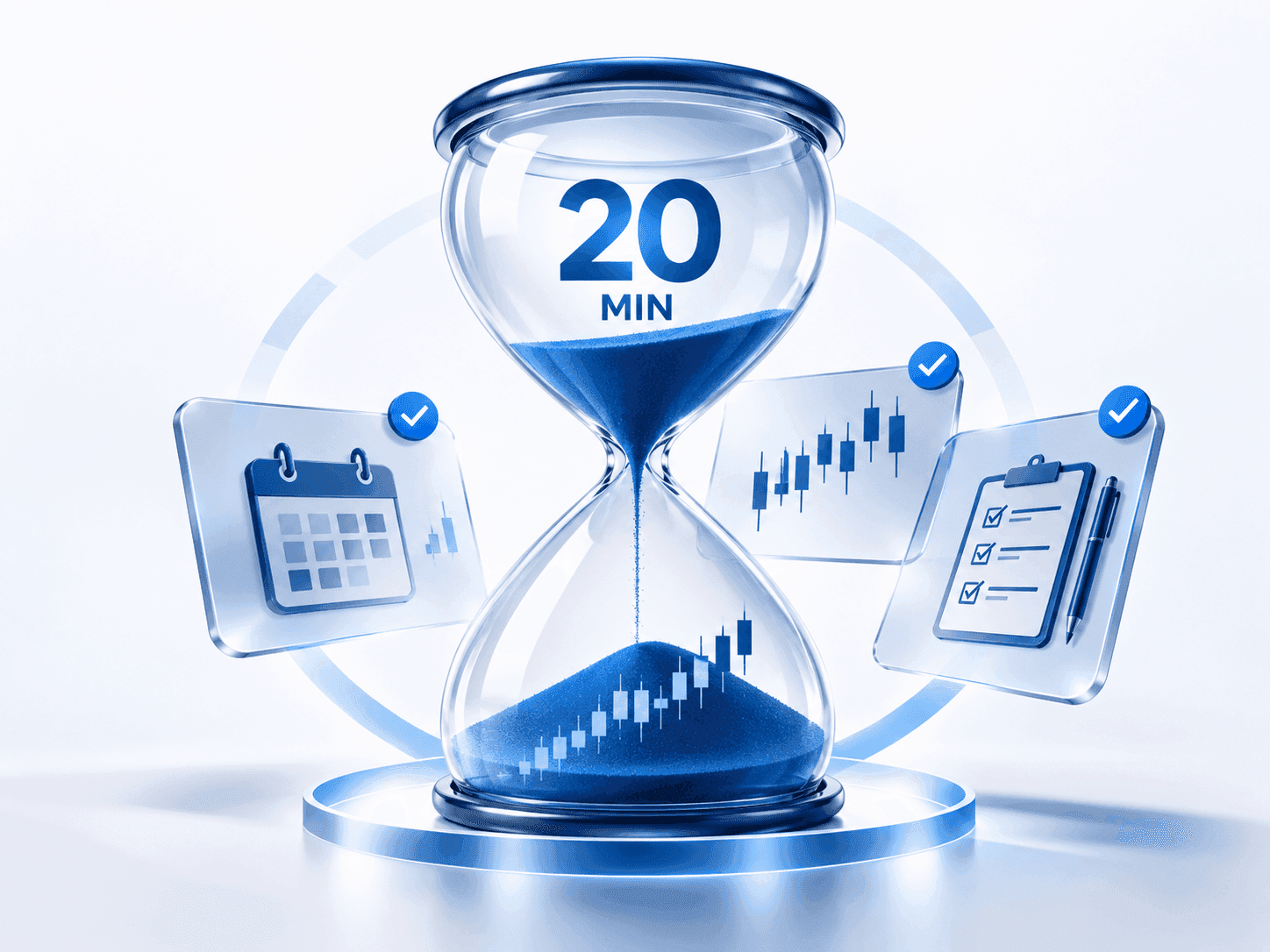
Wait for the Dust to Settle: Algorithm-driven trading creates massive whipsaws in the first seconds of a news release. Waiting just 5 to 15 minutes for a clear direction can save you from being stopped out by noise.
-
Use Technology to Your Advantage: Platforms like MetaTrader 5 (MT5) allow for pre-set stop losses and take profits. Relying on automation removes the hesitation of manual execution during stressful moments.
Your Psychological Edge with My Maa Markets
We believe that an educated trader is a successful trader. That is why we provide the tools you need to maintain discipline when the markets get loud.
-
Stable Execution: Our institutional-grade execution helps ensure your trades are filled where you want them, even during volatility.
-
Risk Management Tools: Access advanced charting and risk calculators on MT5 to keep your exposure in check.
-
Educational Resources: From webinars to daily analysis, we help you understand the context behind the headlines.
What is Your Strategy for High-Impact News?
Do you step aside during major announcements, or do you use volatility to your advantage? Let me know in the comments below—I’d love to hear how you manage your psychology during market-moving events.
Ready to trade with a broker that supports your growth?
Whether you are scalping news on Gold or holding long-term positions on Indices, My Maa Markets offers the regulated, secure, and low-cost environment you need.
Trading involves significant risk and may not be suitable for all investors. You should carefully consider your investment objectives, experience level, and risk appetite.