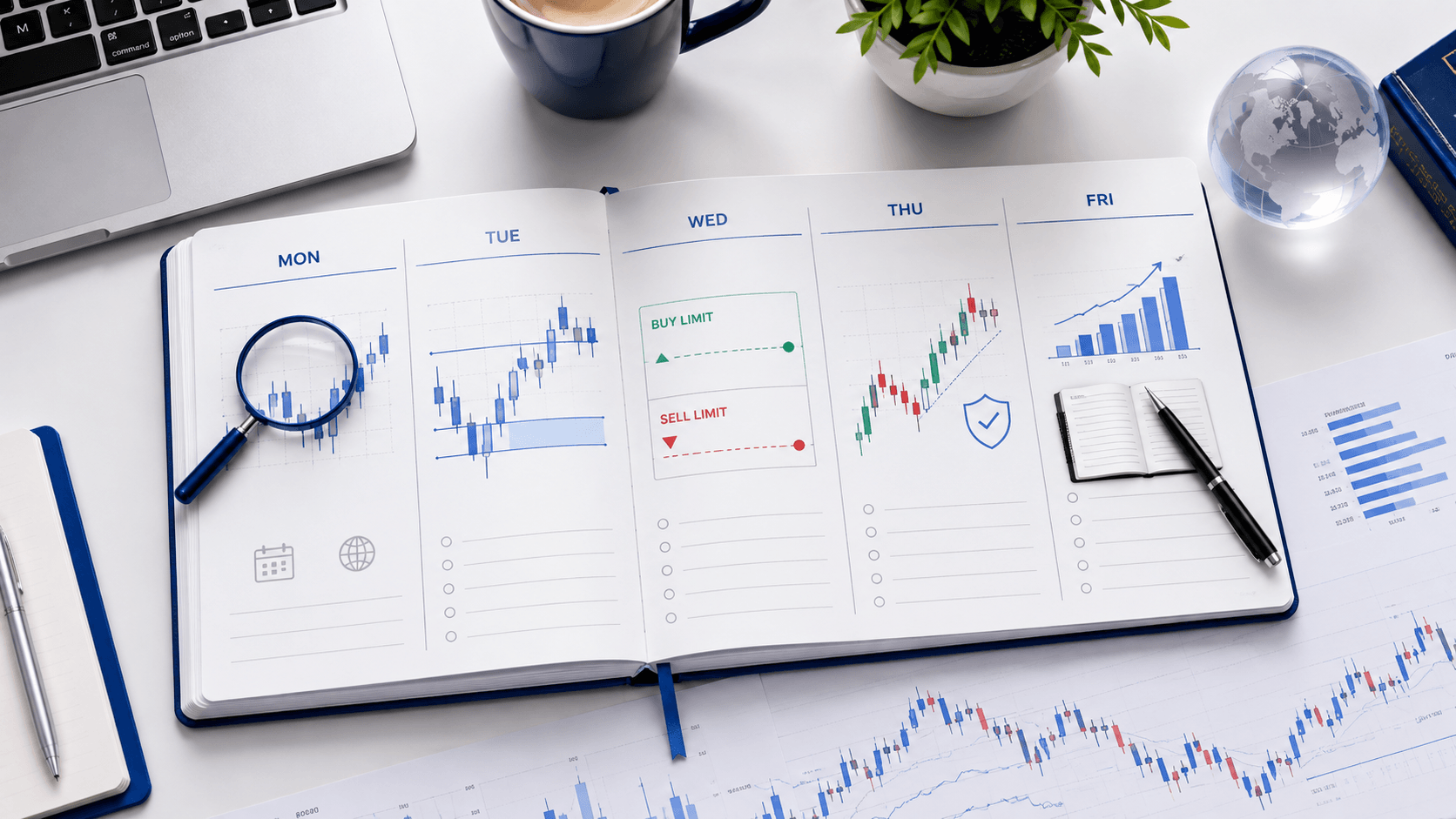



Without a destination, it is impossible to plan a route. The same logic applies to the financial markets. Whether you are a beginner placing your first trade or an experienced investor managing a diverse portfolio, defining clear, actionable goals is the foundation of long-term success.
A well-structured plan helps you navigate market volatility, manage risk, and measure your progress objectively. Here is a step-by-step guide to defining your trading goals for the year ahead.
1. Assess Your Starting Point and Risk Tolerance
Before setting future targets, you must understand your current position. This involves an honest assessment of two key factors: your available capital and your psychological tolerance for risk.
-
Initial Capital: Determine exactly how much money you have available to trade. This should be disposable income—funds that, if lost, would not impact your daily standard of living.
-
Risk Appetite: Are you a conservative trader who prefers steady, smaller gains, or are you comfortable with high volatility in exchange for potentially higher returns?
Understanding these parameters ensures that your goals are realistic. For example, aiming to double a small account in a month often requires taking excessive risks that can lead to significant losses. Instead, align your expectations with your resources and comfort level.
2. Set SMART Trading Goals
Vague ambitions like "I want to make money" are not effective strategies. To create a roadmap for success, apply the SMART framework to your objectives:
-
Specific: Define exactly what you want to achieve. Instead of "improve my trading," aim for "increase my win rate by 5%."
-
Measurable: Ensure you can track your progress using data, such as monthly return on investment (ROI) or the number of disciplined trades executed.
-
Achievable: Set targets that challenge you but are within reach based on your capital and skill level.
-
Relevant: Your goals must align with your broader financial objectives and lifestyle.
-
Time-bound: Set a deadline. For a 12-month plan, break your main goal down into quarterly or monthly milestones.
3. Prioritise Efficiency with the Right Tools
In modern trading, efficiency is a competitive advantage. Your goals should include optimizing how you trade, not just what you trade. This means leveraging high-leverage tools and low-spread platforms to maximise your potential returns.
At My Maa Markets, we provide the infrastructure needed for efficient execution:
-
MetaTrader 5 (MT5): Access advanced charting tools and automated trading capabilities.
-
Low Spreads: Trading costs eat into profits. Our raw spreads start from 0.0 pips, ensuring you keep more of what you earn.
-
Fast Execution: With institutional-grade execution speeds, you can enter and exit positions at your desired price points, which is crucial during volatile market events.
4. Select a Regulated Partner
One of your primary goals for the year should be the security of your funds. Trading with an unregulated broker introduces unnecessary risk that can derail even the best strategies.
Ensure you choose a partner that prioritises transparency and safety. My Maa Markets is fully regulated by the Financial Services Commission (FSC) of Mauritius. We adhere to strict regulatory standards, including the segregation of client funds and transparent operating policies. This allows you to focus on the markets, knowing your capital is protected by a compliant framework.
5. Develop a Consistent Routine and Review Process
Consistency is the hallmark of a professional trader. Your 12-month plan must include the development of a disciplined routine. This might involve:
-
Pre-market analysis: Reviewing economic calendars and key levels before the session opens.
-
Trading journal: Recording every trade, including entry/exit points and the emotional state at the time.
-
Weekly review: analyzing your journal at the end of each week to identify patterns in your winning and losing trades.
Treat trading as a business. A structured routine reduces emotional decision-making and helps you stay aligned with your long-term objectives.
6. Master Risk Management
The most important goal for any trader is capital preservation. You cannot trade tomorrow if you lose your capital today.
Adopt strict risk management rules as part of your yearly plan:
-
The 1-2% Rule: Never risk more than 1-2% of your total account balance on a single trade.
-
Stop Losses: Always use stop-loss orders to limit potential downsides.
-
Diversification: Spread your risk across different asset classes. With My Maa Markets, you can access over 3,000 instruments, including Forex, Indices, Metals, and Crypto, all from a single account.
Next Steps for Your Trading Journey
Defining your goals is only the first step; executing them requires discipline, education, and the right trading environment.
By assessing your risk, setting SMART targets, and partnering with a regulated broker like My Maa Markets, you position yourself for a more structured and potentially profitable year.
Ready to put your plan into action?
-
Open a Live Account: Start trading with spreads from 0.0 pips.
-
Try a Demo Account: Test your strategies risk-free on MT5.
Disclaimer: Trading involves significant risk and may not be suitable for all investors. You should carefully consider your investment objectives, experience level, and risk appetite. Only invest money you can afford to lose.