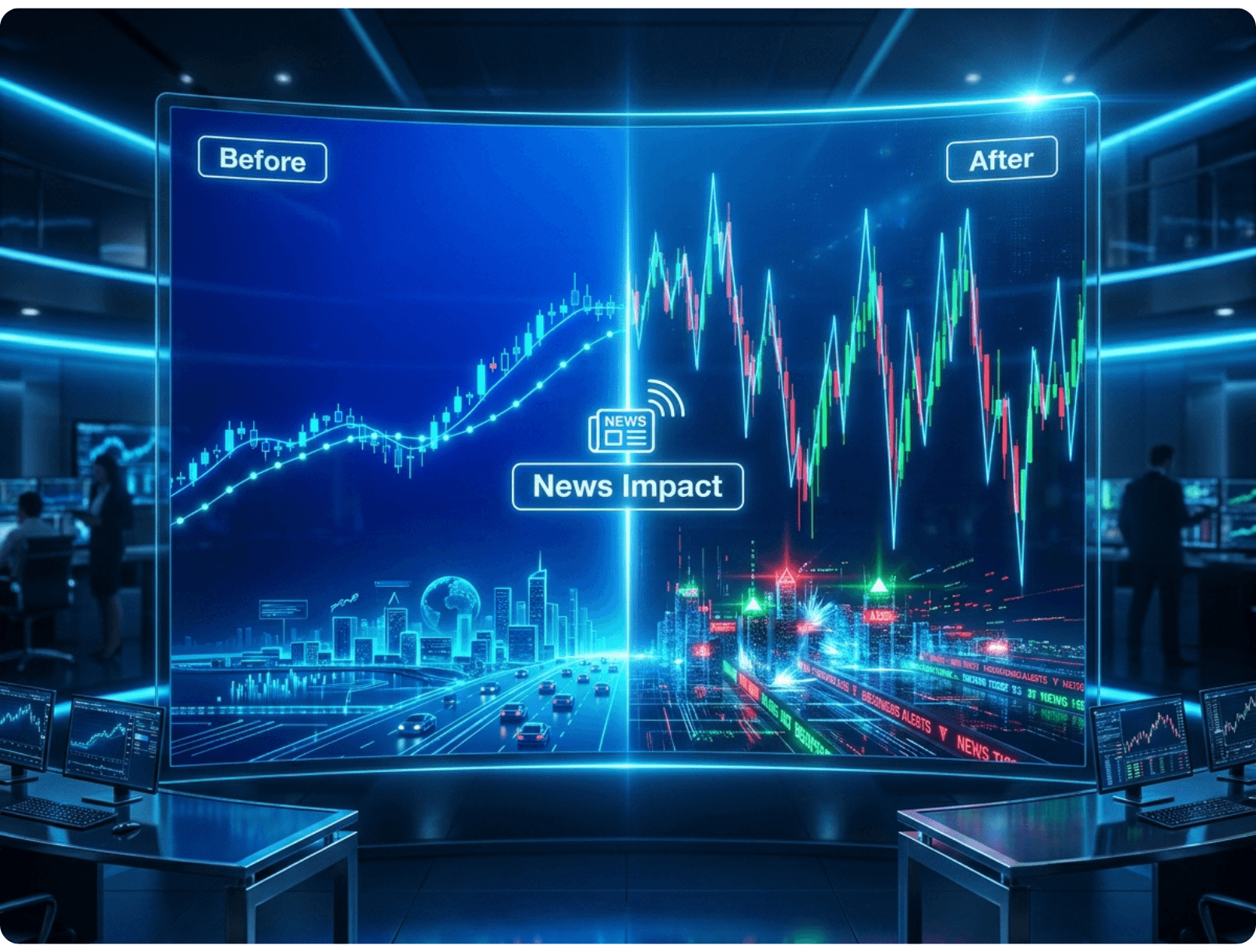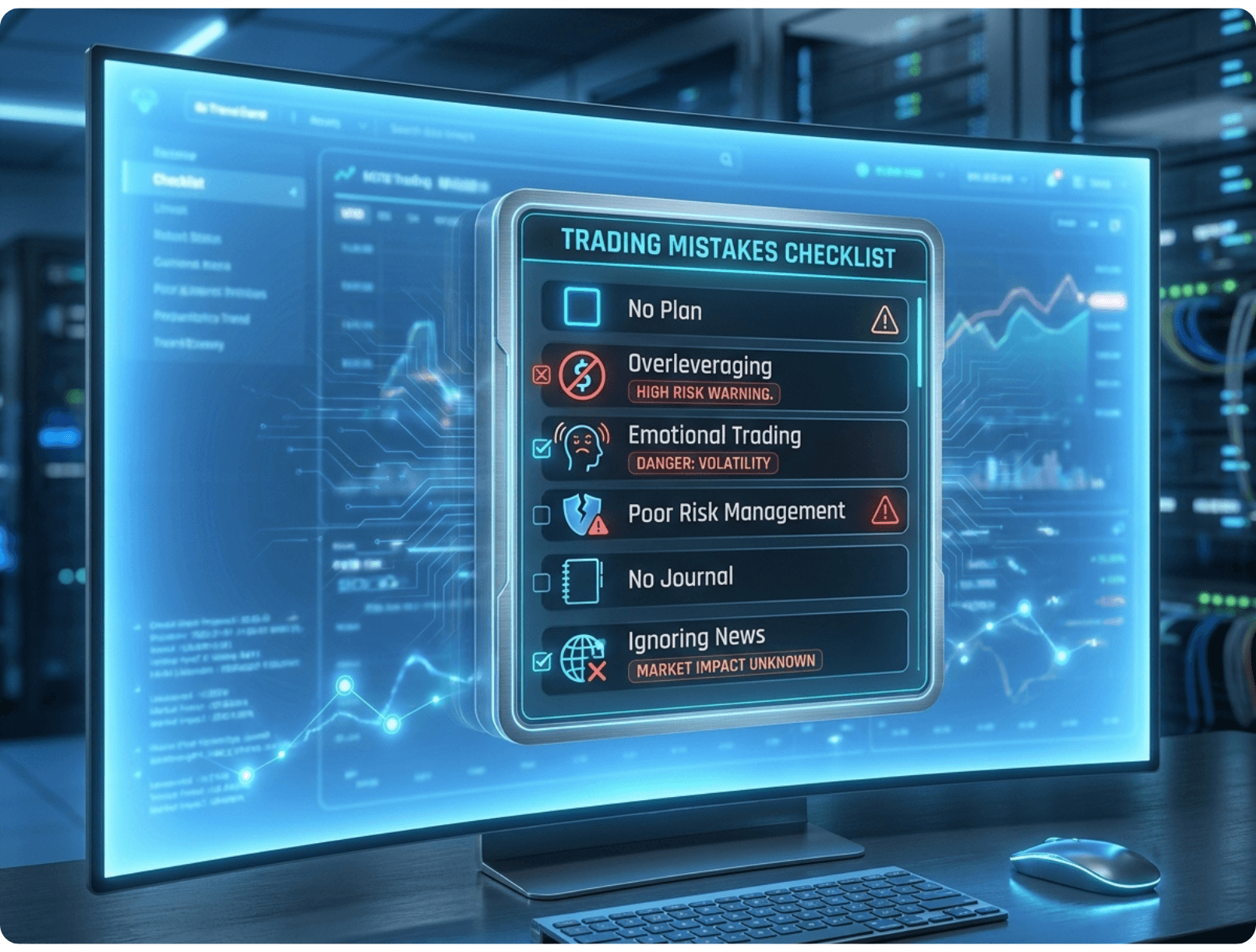


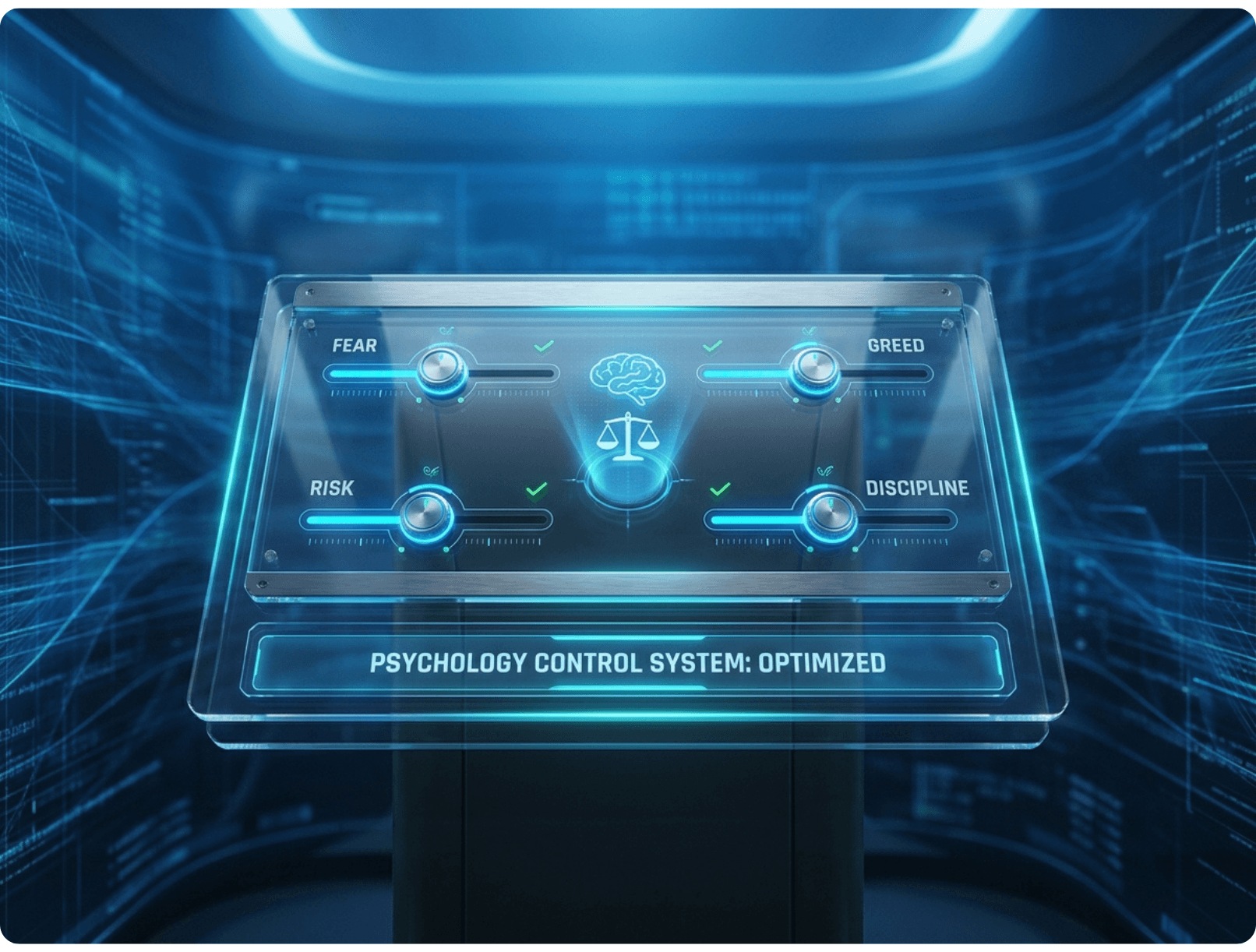
Trading success isn't just about market knowledge or technical analysis—it's about mastering your own mind. The most profitable traders understand that psychology accounts for up to 80% of trading performance. While beginners often focus solely on strategies and indicators, seasoned professionals know that emotional discipline separates winners from losers in the financial markets.
Trading psychology encompasses the mental and emotional factors that influence your decision-making process. Fear, greed, overconfidence, and anxiety can derail even the most well-researched trades. Understanding these psychological barriers and developing strategies to overcome them forms the foundation of consistent profitability.
The journey from novice to successful trader requires more than just learning charts and patterns. It demands building mental resilience, emotional control, and unwavering discipline. This comprehensive guide will explore the key psychological principles that distinguish profitable traders from those who struggle, providing actionable insights to help you develop the right mindset for trading success.
The Role of Emotional Control in Trading
Emotions are your biggest enemy in trading. Market volatility triggers powerful psychological responses that can override rational thinking and lead to costly mistakes. Successful traders learn to recognize these emotional patterns and develop strategies to manage them effectively.
Managing Fear in Trading
Fear manifests in multiple ways throughout your trading journey. Fear of losing money can paralyze you from taking profitable opportunities, while fear of missing out (FOMO) can push you into poorly timed trades. Fear of being wrong often prevents traders from cutting losses early, turning small setbacks into devastating account drawdowns. The key to managing fear lies in preparation and risk management. When you know exactly how much you're willing to lose on each trade and have predetermined exit strategies, fear loses much of its power. Professional traders always calculate their risk-reward ratios before entering positions, ensuring they can weather losing streaks without emotional distress.
Controlling Greed and Overconfidence
Greed drives traders to risk more than they can afford, hoping for unrealistic returns. After a series of winning trades, overconfidence can lead to abandoning proven strategies and taking excessive risks. This psychological trap has destroyed more trading accounts than any market crash.
Successful traders maintain humility regardless of recent performance. They stick to position sizing rules, take profits at predetermined levels, and understand that the market can humble anyone at any time. They treat each trade as an independent event, never allowing past successes to influence future risk management decisions.
Building Emotional Resilience
Developing emotional resilience requires consistent practice and self-awareness. Keep a detailed trading journal that records not just your trades, but also your emotional state before, during, and after each decision. This practice helps identify patterns in your psychological responses and areas for improvement.
Consider implementing a pre-trading routine that includes meditation, breathing exercises, or mental preparation techniques. Many professional traders use visualization methods, mentally rehearsing both winning and losing scenarios to reduce emotional volatility during actual trading sessions.
The Foundation of Trading Discipline
Discipline in trading means following your predetermined rules regardless of emotions, market conditions, or external pressures. It's the ability to stick to your trading plan even when every instinct tells you to deviate from it.
Creating and Following a Trading Plan
A comprehensive trading plan serves as your roadmap through market uncertainty. It should include your trading strategy, risk management rules, position sizing guidelines, and specific entry and exit criteria. Without a plan, you're essentially gambling rather than trading systematically.
Your trading plan must be detailed enough to guide decision-making in various market conditions. Specify exactly when you'll enter trades, where you'll place stop losses, and how you'll take profits. Include rules for different market environments—trending, ranging, high volatility, and low volatility conditions.
Risk Management as a Discipline Tool
Proper risk management isn't just about preserving capital—it's a psychological tool that enables disciplined decision-making. When you know your maximum loss per trade is limited to a small percentage of your account, you can make objective decisions without emotional interference.
Professional traders typically risk no more than 1-2% of their account on any single trade. This conservative approach ensures that even a series of losing trades won't significantly impact their ability to continue trading. Calculate your position size based on your stop loss distance and risk percentage, never on how confident you feel about a particular trade.
Consistency Over Perfection
Many beginning traders seek the perfect strategy that wins every time. This mindset leads to constant system-hopping and prevents the development of true expertise. Successful traders understand that profitability comes from consistent application of a proven edge over many trades.
Focus on executing your strategy flawlessly rather than trying to predict every market move. Accept that losses are part of trading and concentrate on ensuring your winning trades are larger than your losing ones. Consistency in execution, not perfection in prediction, creates long-term profitability.
Developing a Long-Term Trading Mindset
Short-term thinking destroys trading accounts faster than any market condition. Successful traders think in probabilities and understand that individual trades are less important than overall strategy performance over time.
Thinking in Probabilities
Every trade is essentially a probability bet based on your edge in the market. Even with a 60% win rate, four out of every ten trades will be losers. Understanding this statistical reality helps you maintain emotional equilibrium during inevitable losing streaks.
Professional traders focus on expected value rather than individual trade outcomes. They calculate the mathematical expectation of their strategy and trust that probability will work in their favor over a large sample size. This mindset prevents emotional decision-making based on recent trade results.
Learning from Losses
Losses are tuition payments for market education. Every losing trade contains valuable information about market behavior, strategy weaknesses, or psychological blind spots. Successful traders analyze their losses more carefully than their wins, extracting lessons that improve future performance.
Maintain detailed records of all trades, including screenshots, reasoning, and post-trade analysis. Review your losing trades weekly to identify patterns in your mistakes. Are you cutting winners too early? Holding losers too long? Taking trades outside your strategy parameters? This analysis transforms losses from painful experiences into valuable learning opportunities.
Continuous Learning and Adaptation
Markets evolve constantly, requiring traders to adapt their approaches while maintaining core psychological principles. Successful traders never stop learning, regularly studying new strategies, market conditions, and trading psychology concepts.
Allocate time each week to education, whether through reading trading books, analyzing successful traders' approaches, or practicing new techniques on demo accounts. The most profitable traders combine experience with ongoing education, constantly refining their skills and understanding of market psychology.
Essential Tools for Trading Success
Modern trading platforms offer sophisticated tools that can enhance your psychological edge in the markets. MY MAA MARKETS provides a comprehensive suite of analytical tools and resources designed to support disciplined trading decisions.
Advanced Market Analytics
Access to real-time market data, economic calendars, and professional analysis helps reduce uncertainty and emotional decision-making. When you have reliable information and analytical tools, you can make more confident trading decisions based on data rather than emotions.
The MetaTrader 5 platform offered by MY MAA MARKETS includes advanced charting capabilities, technical indicators, and automated trading options. These tools help you implement your trading strategy consistently while reducing the emotional stress of manual trade management.
Risk Management Features
Modern trading platforms include built-in risk management tools such as stop losses, take profit orders, and position sizing calculators. These features help automate your risk management rules, reducing the temptation to deviate from your plan during emotional moments.
With spreads starting from 0.0 pips and leverage up to 1:500, MY MAA MARKETS enables you to implement precise risk management strategies across 275+ trading instruments. This flexibility allows you to diversify your portfolio while maintaining strict risk control on individual positions.
Educational Resources
Continuous education is crucial for developing trading psychology and maintaining mental discipline. Quality educational materials help you understand market behavior, refine your strategies, and learn from experienced professionals' insights.
Access to expert analysis, market commentary, and educational videos provides ongoing support for your trading development. These resources help you stay informed about market conditions while learning new approaches to managing trading psychology challenges.
Building Your Path to Trading Excellence
The journey to trading success is as much about personal development as it is about market knowledge. Your ability to control emotions, maintain discipline, and think long-term will ultimately determine your success more than any particular strategy or indicator.
Start by honestly assessing your current psychological strengths and weaknesses. Are you prone to emotional decision-making? Do you struggle with discipline when trades move against you? Understanding your psychological profile is the first step toward improvement.
Develop a comprehensive trading plan that includes not just strategy rules, but also psychological guidelines. Specify how you'll handle losing streaks, winning streaks, and unexpected market events. Practice these principles consistently on a demo account before risking real money.
Remember that professional trading is a skill that takes time to develop. Focus on building proper habits and psychological resilience rather than seeking quick profits. With the right mindset, proper tools, and consistent application of sound principles, you can develop the psychological edge necessary for long-term trading success. The markets will always be there, but your ability to participate profitably depends on your psychological preparation and discipline. Start building these crucial skills today, and give yourself the mental foundation necessary for a successful trading career.