

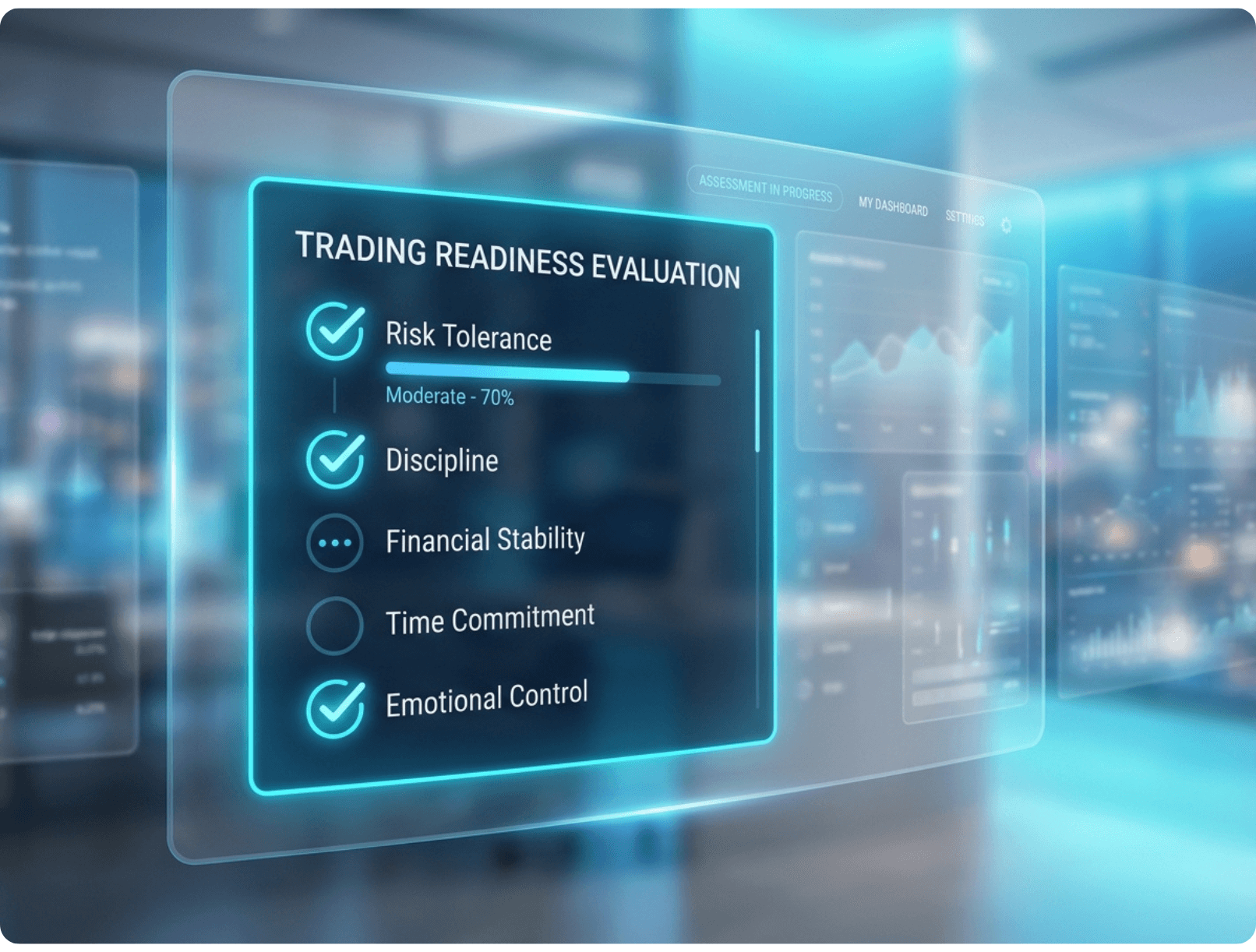
Trading in the financial markets offers the potential for significant rewards, but it also comes with substantial risks. The allure of quick profits can be strong, yet successful trading requires more than just a desire to make money. It demands a specific blend of personality, financial discipline, and commitment. Before you step into the world of trading, it is crucial to conduct an honest self-assessment to determine if it truly aligns with your goals and circumstances.
This guide is designed to help you make an informed decision. We will walk you through a detailed self-assessment questionnaire, explore the key criteria for evaluating your suitability for trading, and provide you with resources to begin your journey on the right foot. Understanding your own profile is the first and most important step toward becoming a responsible and potentially successful trader.
Self-Assessment Questionnaire
Answering these questions honestly will provide a clearer picture of whether trading is a suitable path for you. Take your time to reflect on each one.
Personality and Emotional Discipline
-
How do you handle pressure and stress? Trading can be intensely stressful, especially during volatile market conditions. Can you remain calm and rational when your trades are not going as planned?
-
Are you patient and disciplined? Successful trading often involves waiting for the right opportunities and sticking to a predefined strategy, even when it’s tempting to deviate.
-
How do you react to losses? Losing is an inevitable part of trading. Will a financial loss lead you to make impulsive, emotional decisions (like "revenge trading"), or can you accept it as a learning experience?
-
Are you a decisive person? The market moves quickly. You need to be able to make swift, calculated decisions without second-guessing yourself constantly.
-
Do you enjoy research and analysis? Trading isn't just about buying and selling. It requires continuous learning, market analysis, and staying informed about economic news.
Risk Tolerance
-
What is your primary goal for trading? Are you looking for a primary source of income, or are you aiming to grow your capital over the long term?
-
How comfortable are you with the possibility of losing your entire investment? You should only trade with capital you can afford to lose without impacting your quality of life.
-
Would a significant loss in your trading account keep you up at night? Your psychological well-being is paramount. High levels of anxiety can impair your decision-making.
-
Have you invested in other financial instruments before? Previous experience with investments like stocks or bonds might give you a better sense of your risk tolerance.
Financial Situation
-
Do you have a stable source of income outside of trading? Relying on trading for your living expenses from the start is extremely risky.
-
Have you set aside dedicated risk capital? This is money that, if lost, will not affect your ability to pay bills, cover emergencies, or meet other financial obligations.
-
Are you currently in debt? Using borrowed money or funds needed for debt repayment to trade is a high-risk strategy that should be avoided.
-
Do you have at least three to six months of living expenses saved in an emergency fund? A financial cushion provides stability and reduces the pressure to make risky trades.
Key Criteria for Evaluating Trading Suitability
Your answers to the questionnaire should give you a good foundation. Now, let’s explore the essential criteria that determine if you are ready to start trading.
Financial Stability
Before you make your first trade, ensure your financial house is in order.
-
Risk Capital: This cannot be overstated. Only trade with money you can afford to lose. This capital should be separate from your retirement savings, your children's education fund, and your emergency savings.
-
Stable Income: A consistent income from a primary job provides the financial security needed to trade without desperation. It allows you to make rational decisions rather than chasing profits to cover your bills.
-
Debt-Free (or Low Debt): High-interest debt, such as credit card debt, should be a priority over trading. The interest you pay on debt can easily negate any potential trading profits.
Time Commitment
Trading is not a get-rich-quick scheme. It requires a significant investment of your time.
-
Education: You must dedicate time to learning the basics of financial markets, technical analysis, fundamental analysis, and risk management.
-
Market Analysis: Successful traders spend hours analyzing charts, reading financial news, and developing their trading strategies. This is an ongoing process, not a one-time effort.
-
Active Trading: Depending on your chosen trading style (e.g., day trading, swing trading), you will need to be available to monitor markets and execute trades. Day trading, for instance, can be a full-time job.
Knowledge of Financial Markets
Entering the markets without adequate knowledge is like navigating a minefield blindfolded.
-
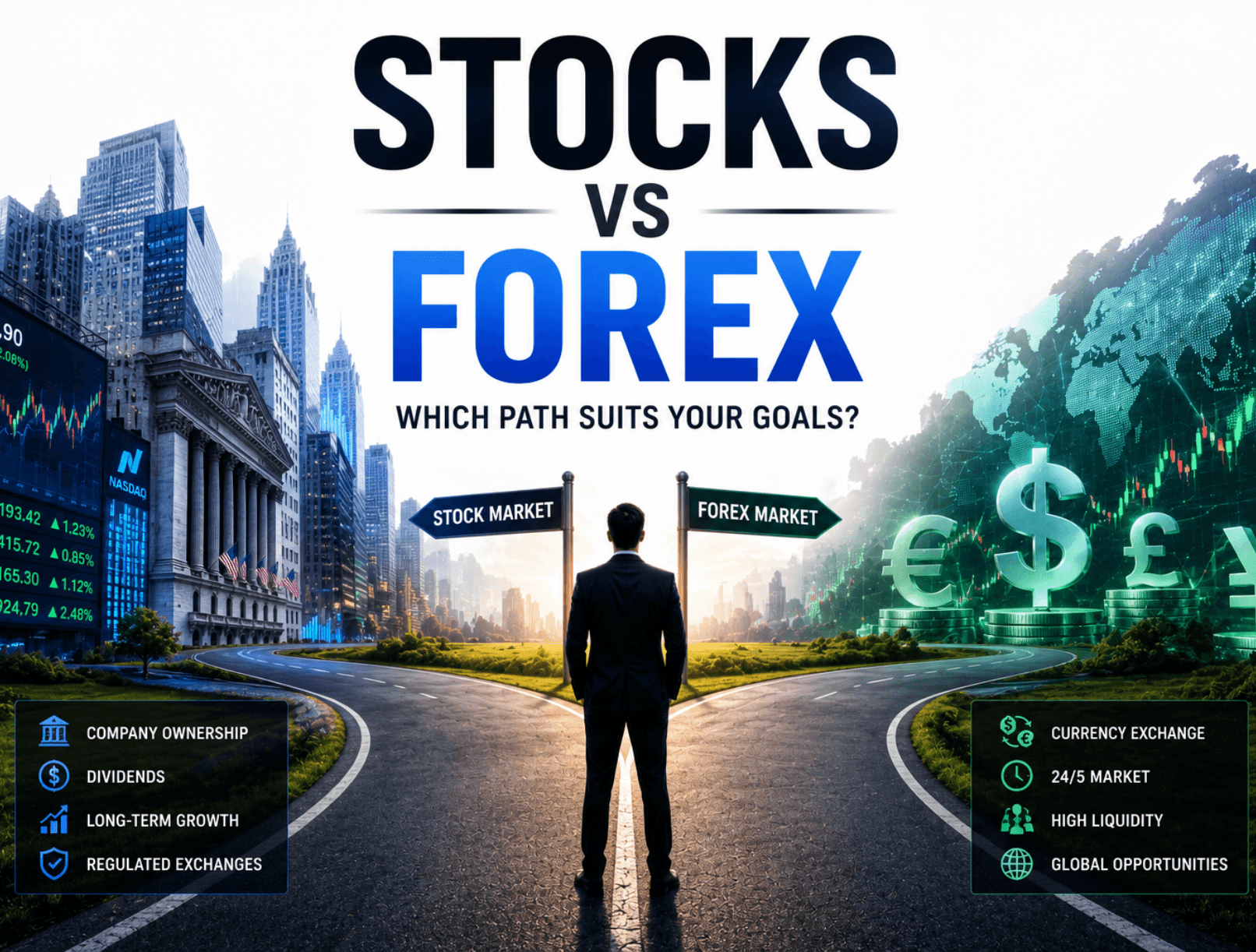
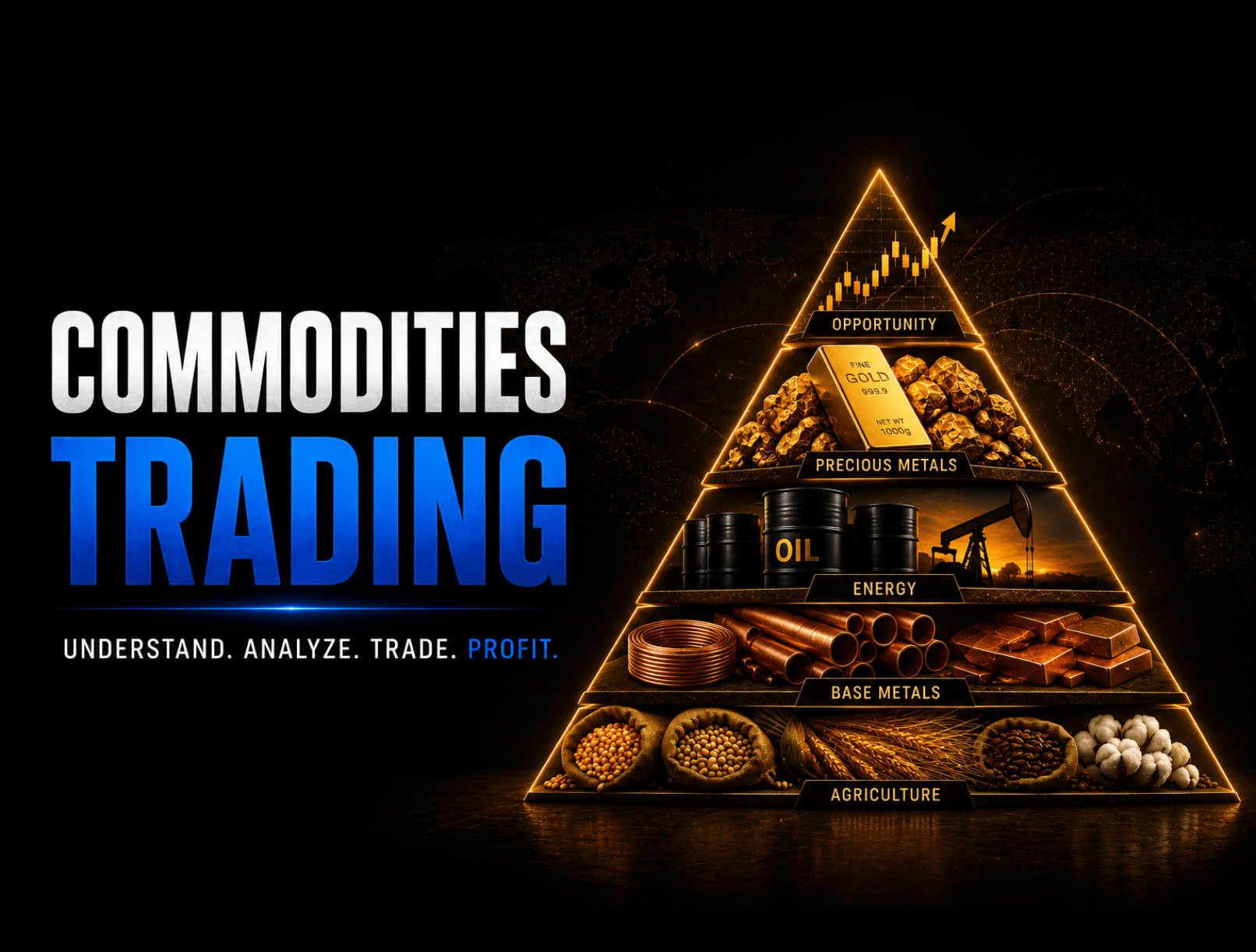
Understand the Basics: Learn about different asset classes like Forex, stocks, indices, and metals. Understand what drives their prices and how they are traded.
-
Develop a Strategy: A trading plan is your roadmap. It should define what you trade, when you enter and exit trades, how much you risk per trade, and how you will manage your positions.
-
Practice with a Demo Account: Before risking real money, use a demo account to test your strategies in a risk-free environment. This helps you get familiar with the trading platform and build confidence in your approach.
Trading Resources and Tools
If you've decided that trading aligns with your profile, the next step is to equip yourself with the right resources.
-
Educational Materials: At MY MAA MARKETS, we provide a wealth of educational tools, including e-books and articles on trading strategies, to help you build a strong foundation.
-
Economic Calendar: Stay ahead of market-moving events with an economic calendar. Major economic reports can cause significant volatility, creating both opportunities and risks.
-
A Reliable Trading Platform: Your platform is your gateway to the markets. MY MAA MARKETS offers the advanced MetaTrader 5 (MT5) platform, giving you access to over 275+ trading instruments, professional charting tools, and fast execution.
-
Demo Account: As mentioned, a demo account is an invaluable tool. MY MAA MARKETS offers a free demo account to help you practice and refine your skills without financial risk.
Your Path to Informed Trading
Deciding to become a trader is a significant step that should not be taken lightly. By honestly evaluating your personality, risk tolerance, and financial situation, you can determine if this path is right for you. Trading requires discipline, continuous education, and a clear, well-thought-out strategy. It is not a shortcut to wealth, but a business that demands professionalism and dedication.
If your self-assessment confirms your suitability, your journey begins with education and practice. Equip yourself with the right knowledge and tools to navigate the markets confidently. Remember that responsible trading is built on a foundation of self-awareness and informed decision-making.
Ready to take the next step? Explore our educational resources or open a risk-free demo account to begin your trading journey with a trusted partner.