


Entering the world of financial markets can feel like learning a new language. You'll often hear traders talk about "going long" or "going short," but what do these terms actually mean? Understanding these fundamental positions is crucial because they define your strategy for profiting from market movements—whether prices are rising or falling.
At MY MAA MARKETS, we believe that informed decision-making is the cornerstone of successful trading. This guide breaks down the essential differences between long and short positions, the benefits and risks of each, and how to utilize them effectively.
1. Defining "Going Long"
When traders talk about "going long," they are referring to the traditional "buy low, sell high" strategy. In a long position, you purchase an asset—such as a stock, currency pair, or commodity—with the expectation that its value will increase over time.
For example, if you believe the EUR/USD pair is undervalued and will rise, you enter a buy order. If the price climbs as predicted, you can sell the asset later at a higher price to secure a profit. This is the most common form of investing and is often the starting point for most beginners.
2. The Advantages of Going Long
Taking a long position offers several distinct benefits, particularly for those looking at broader market trends:
-
Unlimited Profit Potential: Theoretically, there is no cap on how high an asset's price can rise. If you buy a stock at $50, it could eventually reach $100, $500, or even more.
-
Simplicity: The concept is intuitive. You identify an asset with growth potential, buy it, and hold it until your target price is reached.
-
Dividends and Interest: In stock trading, holding a long position often entitles you to dividends. Similarly, in forex, depending on the interest rate differential between the two currencies, you may earn positive swap rates for holding the position overnight.
3. The Risks of Going Long
While popular, going long is not without risk. Markets can be unpredictable, and prices do not always move in the desired direction. The primary risk is that the asset's value drops below your entry price. If the market crashes or the specific asset underperforms, your position loses value.
However, unlike short selling, your losses in a long position are generally limited to the amount of capital you invested (assuming you are not using excessive leverage). If the asset price hits zero, you lose your investment, but you generally cannot lose more than that initial stake.
4. Defining "Going Short"
"Going short," or short selling, is the strategy of profiting from a decline in an asset's price. When you short an asset, you are essentially betting against it. In practical terms, you borrow the asset from a broker to sell it at the current market price. Your goal is to buy it back later at a lower price to return it to the lender, pocketing the difference as profit.
For instance, if you anticipate that gold prices are about to drop, you would enter a sell position on XAU/USD. If the price falls, your trade becomes profitable.
5. The Advantages of Going Short
Short selling opens up opportunities in markets that are trending downwards, allowing traders to remain active regardless of the economic climate:
-
Profit in Bear Markets: You don't have to sit on the sidelines when markets are falling. Shorting allows you to capitalize on recessions, market corrections, or negative news affecting specific assets.
-
Hedging: Many traders use short positions to protect their long-term investments. If you own a portfolio of stocks but fear a temporary market dip, you can open a short position to offset potential losses in your long portfolio.
6. The Risks of Going Short
Short selling is generally considered riskier than going long due to the mechanics of potential loss.
-
Unlimited Loss Potential: While an asset price can only fall to zero (capping the profit on a short trade), there is no theoretical limit to how high a price can rise. If the market rallies unexpectedly, your losses can accumulate rapidly.
-
Short Squeezes: This occurs when a heavily shorted asset suddenly rises in price. Short sellers scramble to buy the asset back to cut losses, which drives the price up even further, creating a cycle of rising prices and increasing losses for short sellers.
7. Understanding Leverage and Spreads
Whether you are going long or short, leverage and spreads play a critical role in your profitability.
-
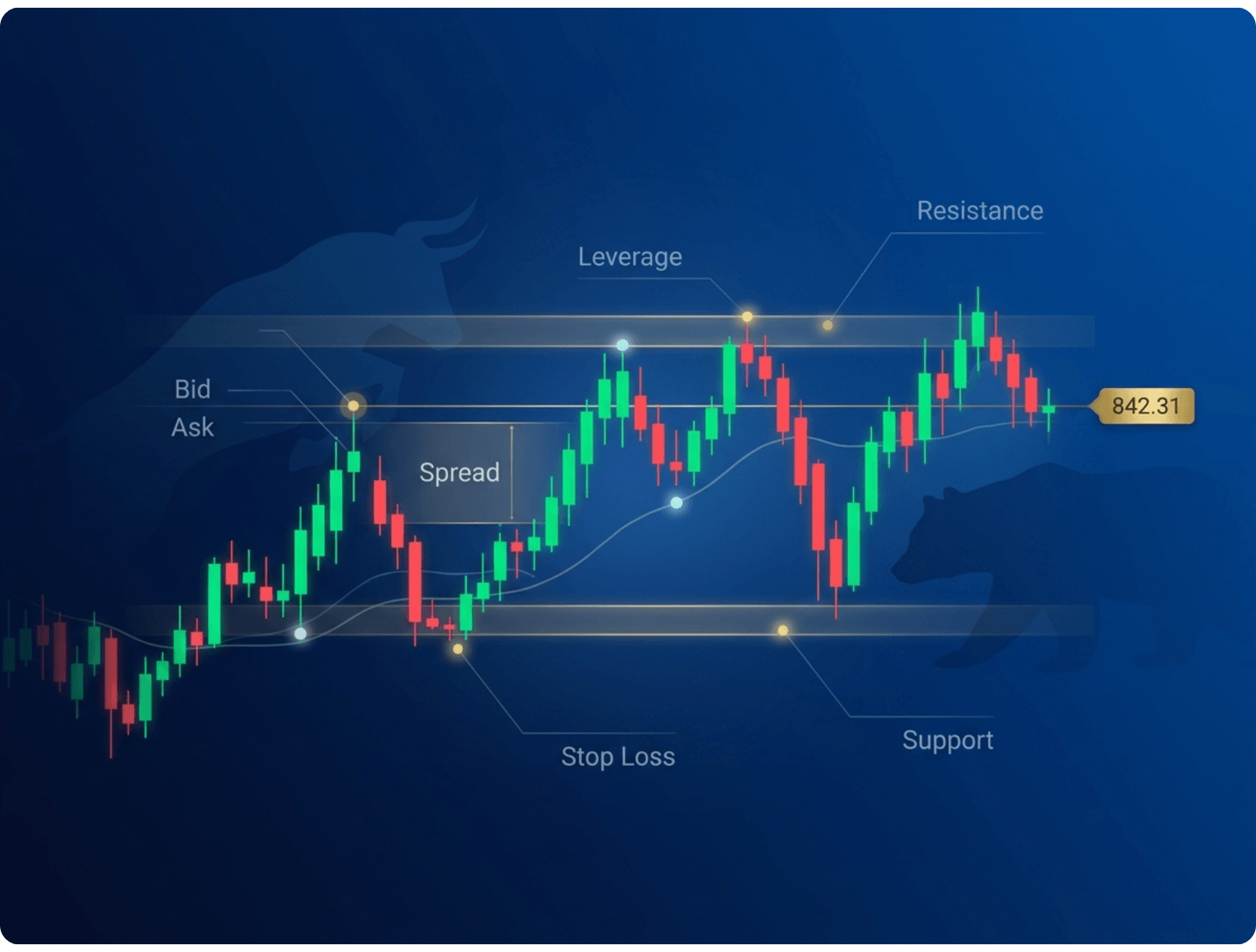
Leverage: MY MAA MARKETS offers leverage up to 1:500. This allows you to control a larger position with a smaller amount of capital. While this can amplify profits in both long and short positions, it also amplifies losses. It is vital to use leverage responsibly.
-
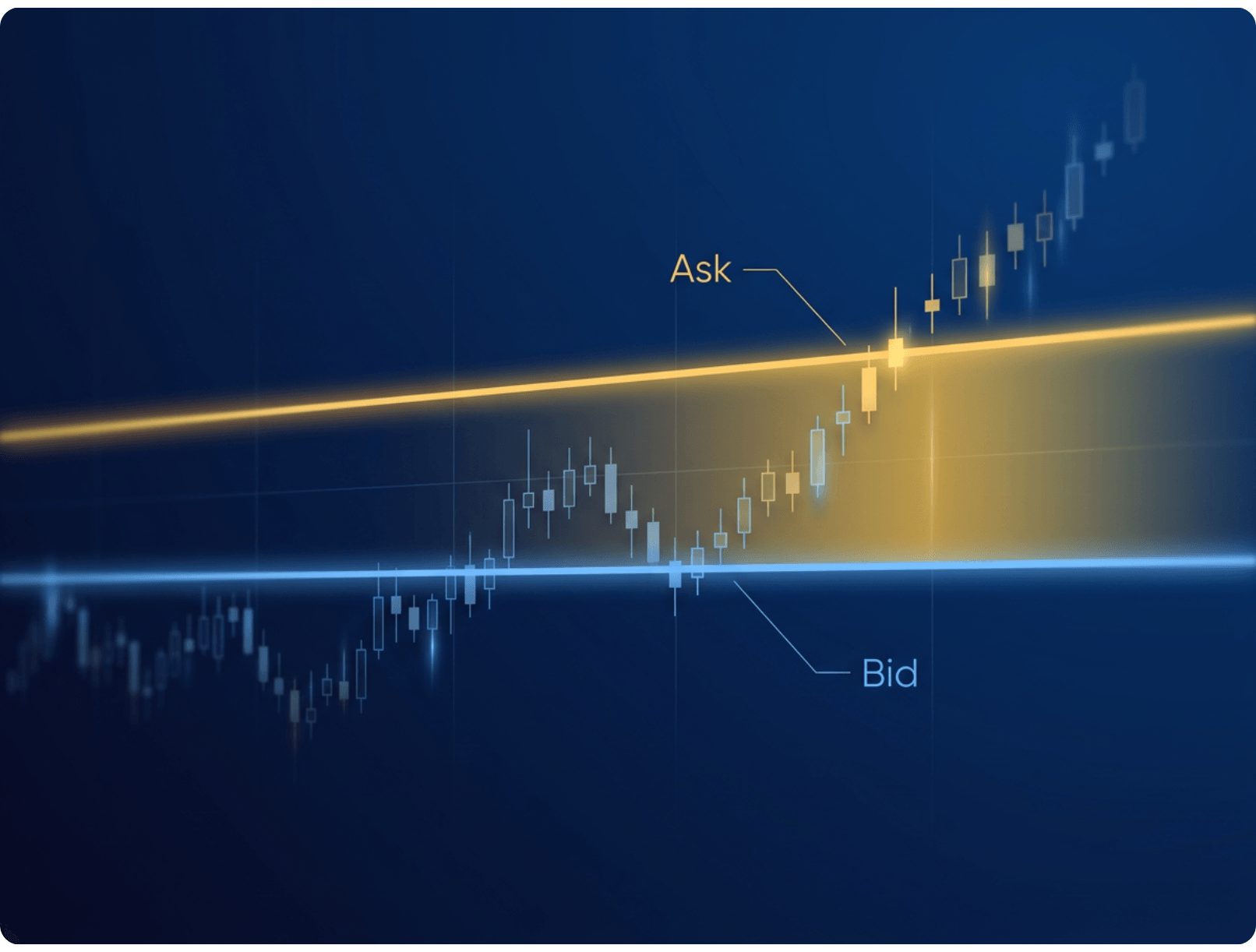
Spreads: The spread is the difference between the buy (ask) and sell (bid) price. Low spreads are essential for keeping trading costs down. At MY MAA MARKETS, we offer spreads starting from 0.0 pips on our VIP accounts, ensuring you keep more of your potential profits regardless of your market direction.
8. Regulation and Security
Engaging in long and short trading requires a platform you can trust. The safety of your funds and the integrity of your trade execution should be non-negotiable.
-
Regulatory Oversight: Ensure your broker is regulated by a reputable authority. MY MAA MARKETS is regulated by the FSC (Financial Services Commission - Mauritius), providing a secure environment for your trading activities.
-
Fund Safety: Look for brokers that offer segregated accounts and instant withdrawals to ensure you always have access to your capital.
Conclusion
Mastering both long and short positions allows you to view the market with a 360-degree perspective. By understanding that you can profit from both rising and falling markets, you double your potential trading opportunities. Whether you are looking to hold a long-term investment or speculate on short-term price drops, the key is to have a robust platform and a clear strategy.
Ready to apply these strategies? Start Trading with MY MAA MARKETS today and access over 275 instruments with spreads from 0.0 pips.
Disclaimer: Trading involves significant risk and may not be suitable for all investors. You should carefully consider your investment objectives, experience level, and risk appetite. Only invest money you can afford to lose.