


Trading and investing are two distinct approaches to participating in the financial markets, yet both share the common goal of wealth accumulation. While trading focuses on profiting from short-term market movements, investing is a long-term strategy centered on gradual growth. Understanding the fundamental differences between them is the first step toward building a financial strategy that aligns with your personal goals, risk tolerance, and lifestyle.
This guide will provide a clear comparison of trading and investing, exploring the strategies, analysis methods, and mindsets required for each. By the end, you will have the clarity needed to determine which path—or combination of paths—is the best fit for you.
Understanding Trading
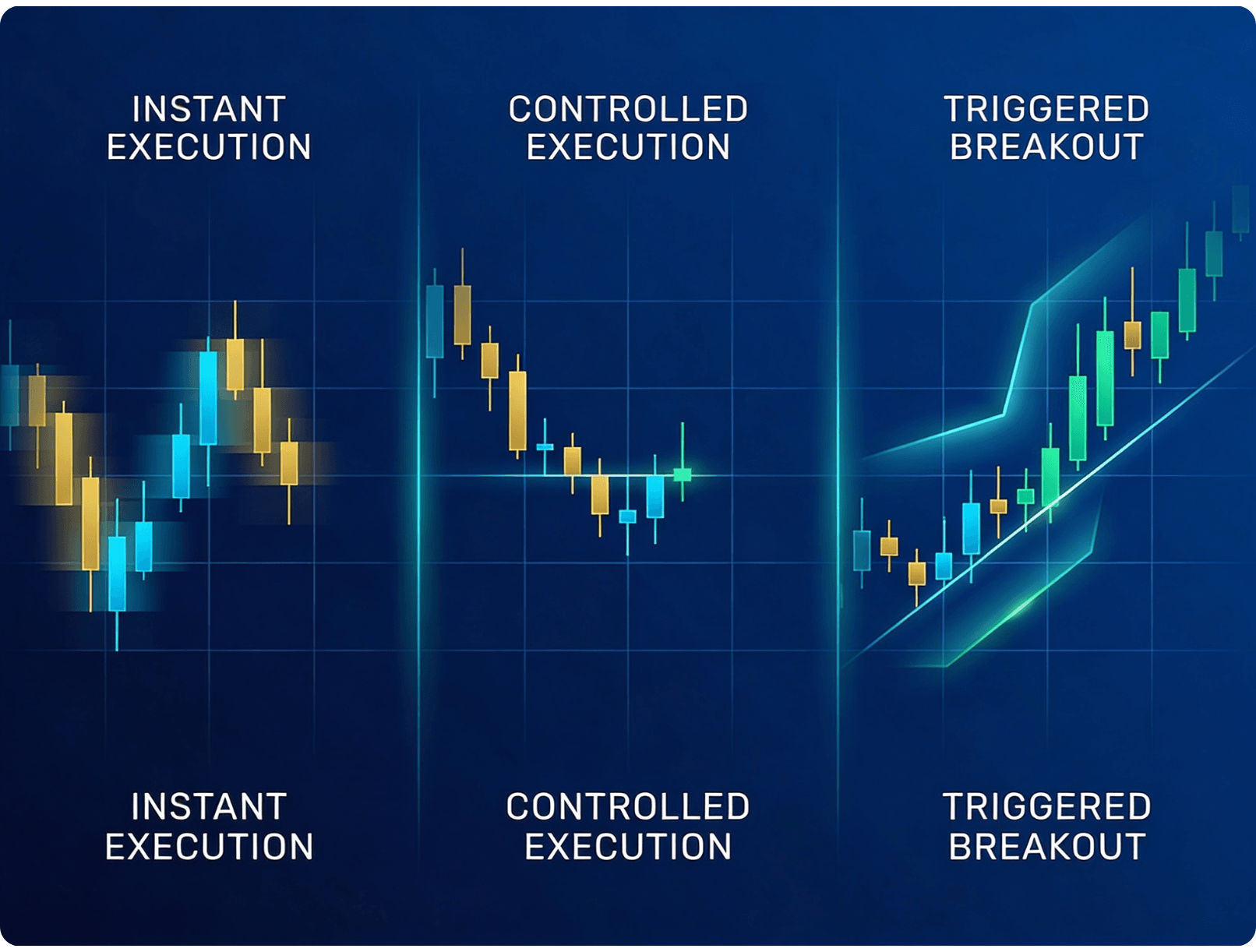
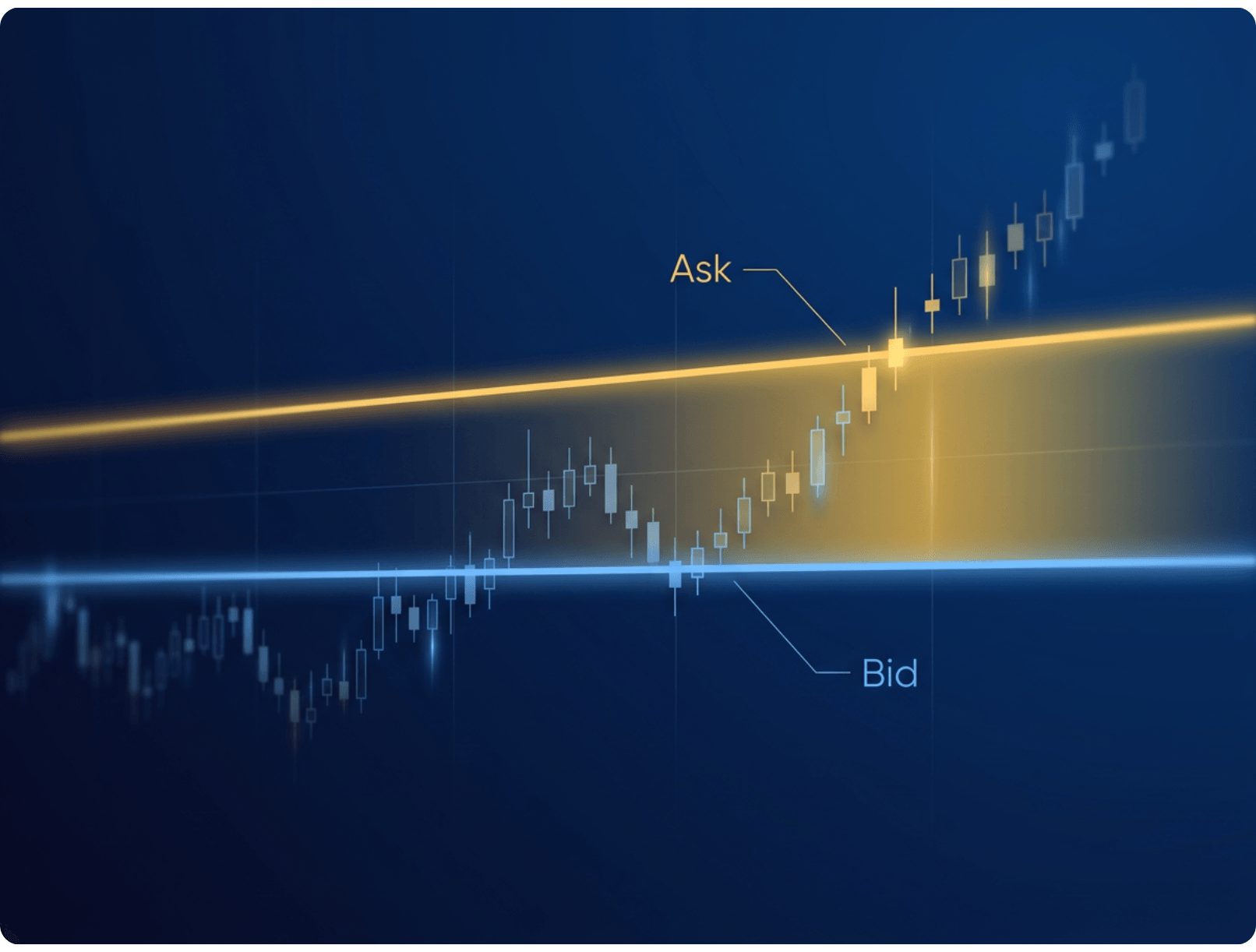
Trading involves the frequent buying and selling of financial instruments—such as stocks, forex, or commodities—to profit from short-term price fluctuations. Traders aim to generate returns that outperform traditional buy-and-hold investing, but this approach comes with a higher level of risk. The core of trading is timing: entering and exiting positions over a short period, which can range from a few seconds to several weeks.
Common Trading Strategies
Traders employ various strategies based on their desired time commitment and risk appetite. Two of the most common are:
-
Day Trading: Day traders open and close all their positions within a single trading day, ensuring no positions are held overnight. This strategy requires constant market monitoring and quick decision-making to capitalize on small, intraday price movements.
-
Swing Trading: Swing traders hold positions for more than a day but usually no longer than a few weeks. They aim to profit from "swings"—or momentum shifts—in market prices. This approach requires less constant attention than day trading but still demands active management.
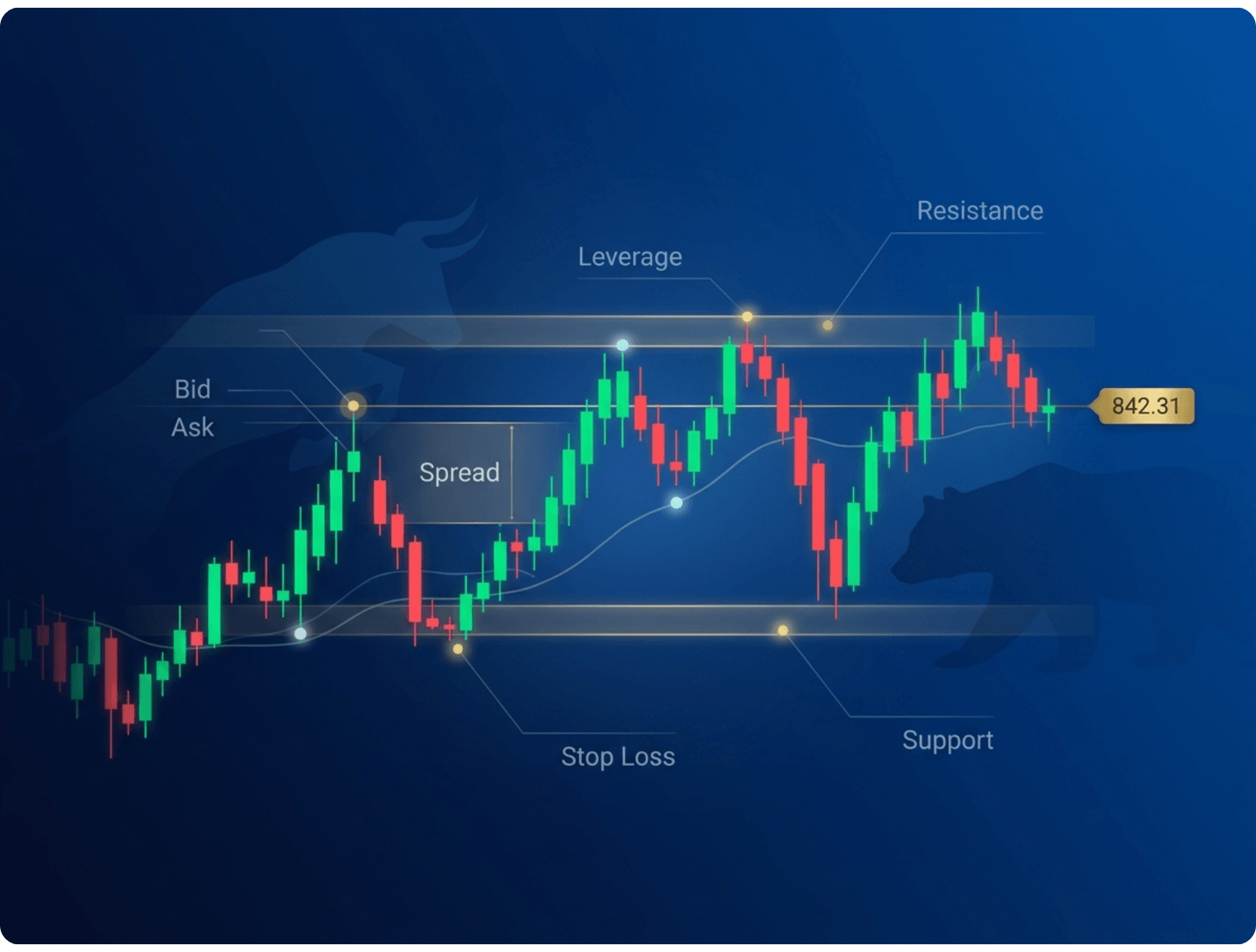
Successful trading relies heavily on technical analysis. Traders study price charts and market statistics, using indicators and patterns to forecast future price movements. The goal is to identify trading opportunities based on market sentiment and historical price behavior rather than the long-term value of an asset. While the potential for high returns is significant, the high-risk, high-reward nature of trading demands discipline, a solid strategy, and robust risk management.
Understanding Investing
Investing is a long-term approach focused on building wealth gradually over an extended period. Instead of capitalizing on short-term market volatility, investors buy and hold assets with the expectation that their value will appreciate over years or even decades. This "buy-and-hold" philosophy is rooted in the belief that, despite short-term fluctuations, quality assets tend to grow in value over time.
Common Investment Vehicles
Investors build their portfolios using a variety of financial instruments, often diversifying to mitigate risk. These include:
-
Stocks: Represent ownership in a public company, offering potential growth through capital gains and dividends.
-
Bonds: A form of debt where investors lend money to an entity (like a government or corporation) in return for periodic interest payments.
-
Mutual Funds & ETFs: Collections of stocks, bonds, and other assets, allowing investors to diversify their holdings easily.
Unlike traders, investors primarily use fundamental analysis to make decisions. This involves evaluating a company's financial health, management effectiveness, competitive advantages, and industry trends to determine its intrinsic value. The goal is to identify fundamentally strong assets that are likely to perform well over the long run. Investing is generally considered lower risk than trading and is well-suited for individuals with a longer time horizon, such as those planning for retirement or other major life goals.
Key Differences: Trading vs. Investing
While both disciplines operate within the financial markets, their core principles differ significantly.
-
Time Horizon: This is the most distinct difference. Trading is short-term, with positions held for seconds, minutes, days, or weeks. Investing is long-term, with assets typically held for years or decades.
-
Risk Tolerance: Trading involves high risk for potentially high returns, as market volatility can lead to substantial gains or losses quickly. Investing generally carries lower risk, relying on the long-term growth of markets to smooth out short-term volatility.
-
Analysis Methods: Traders primarily use technical analysis, focusing on chart patterns and market indicators. Investors rely on fundamental analysis, examining a company's financial health and long-term prospects.
-
Capital Requirements: Capital needs can vary for both. Day trading often requires significant capital to generate meaningful returns from small price movements. Investing, however, can be started with smaller amounts, especially through mutual funds or fractional shares.
Which Path Is Right for You?
Choosing between trading and investing depends entirely on your personal circumstances. To make an informed decision, assess the following factors:
-
Financial Goals: Are you saving for a long-term goal like retirement, or are you seeking to generate active income? Investing is better suited for long-term objectives, while trading is geared toward short-term profits.
-
Risk Tolerance: How comfortable are you with the possibility of losing money? If you have a low tolerance for risk, investing is the safer path. If you are willing to accept higher risk for the potential of higher returns, trading may be an option.
-
Time Commitment: How much time can you dedicate to managing your finances? Trading, particularly day trading, demands significant time and attention. Investing is more passive, requiring periodic portfolio reviews rather than daily monitoring.
-
Knowledge and Experience: Do you have a deep understanding of financial markets and technical analysis? Successful trading requires a high level of expertise, whereas investing can be more accessible to beginners.
It's also possible to combine both approaches. Many individuals maintain a core long-term investment portfolio while allocating a smaller portion of their capital to short-term trading. This hybrid strategy allows them to pursue steady, long-term growth while exploring opportunities for quicker gains.
Charting Your Financial Future
Ultimately, both trading and investing are valid methods for building wealth, but they cater to different goals, temperaments, and timelines. Trading offers the allure of rapid profits through active participation, while investing provides a disciplined path to long-term security.
The key is to align your chosen strategy with your personal financial situation and objectives. By understanding the core principles of each approach, you can make a confident choice that sets you on the right course. If you remain uncertain, seeking guidance from a qualified financial advisor can provide personalized recommendations to help you navigate the markets effectively.